Skriv ett hälsningsmanus för AI-receptionisten som de som ringer faktiskt gillar
De första åtta sekunderna av ett telefonsamtal avgör om någon stannar kvar på linjen eller lägger på och ringer nästa företag. Så här skriver du en AI-hälsning som får dem att stanna.
 Vunoon17 min läsning
Ingen minns en bra telefonhälsning. Alla minns en dålig. Den klumpiga pausen, robotrösten som läser upp ett stycke ingen bett om, slingan av menyval som aldrig nämner just det du ringde om. Ditt hälsningsmanus för AI-receptionisten är det första varje uppringare hör, och det gör mer på åtta sekunder än resten av samtalet tillsammans. Får du det rätt slappnar folk av. Får du det fel lägger de på innan din assistent ens hunnit säga vad den kan göra.
De flesta råd om telefonhälsningar skrevs för människor som läser från ett kort, eller för de gamla knappvalsmenyerna som lärde en hel generation att slå noll i frustration. En AI-telefonassistent är varken det ena eller det andra. Den lyssnar, den svarar på riktiga frågor, den kan boka en tid eller ta emot ett meddelande. Men den måste ändå öppna samtalet, och det är just i öppningen som förvånansvärt många i övrigt bra lösningar faller ihop. Den här guiden handlar om den öppningen: vad en hälsning egentligen består av, de exakta fraser som får folk att hoppa av, och mallar du kan anpassa efter din egen bransch.
Varför hälsningen väger så tungt
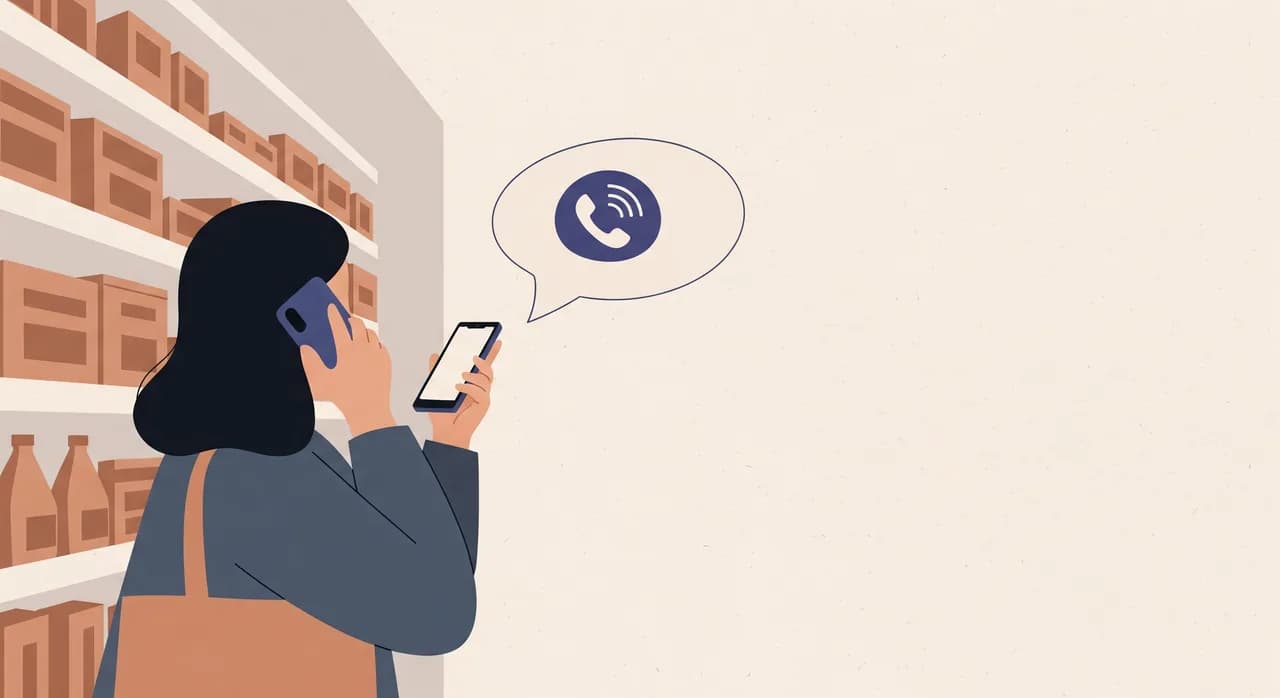
En person som ringer ett litet företag är oftast mitt uppe i något annat. De står i en järnhandelsgång och undrar om ni har en viss del, eller sitter på en parkeringsplats och funderar på om de ska boka er eller stället två gator bort. De ringde inte för att få en upplevelse. De ringde för att få en enda sak gjord, och de ger dig några sekunder att bevisa att samtalet var värt att ringa.
Hälsningen har tre uppgifter på de sekunderna. Den ska bekräfta att de nått rätt ställe, så att ingen slösar tid på fel nummer. Den ska ställa in förväntningarna, så att uppringaren vet vem — eller vad — de talar med. Och den ska lämna tillbaka samtalet till dem med ett självklart nästa steg. Missar du någon av dem gör uppringaren huvudräkningen: det här kommer att bli jobbigt, och så är de borta.
“En uppringare ringde inte för att få en upplevelse. De ringde för att få en enda sak gjord, och de ger dig några sekunder att bevisa att det var värt det.”
Här är det som brukar sätta krokben för folk: med en AI-receptionist sätter hälsningen också tempot och ärligheten för allt som följer. Om öppningsraden är varm och tydlig talar uppringarna naturligt, ställer riktiga frågor och låter assistenten hjälpa till. Om öppningen är stel eller undvikande går uppringarna i försvar, svarar i korta stötar och börjar leta efter en människa. Hälsningen lär uppringaren hur man talar med din assistent. En bra hälsning lär dem att lita på den.
Anatomin i en hälsning som uppringare gillar
Skala ner en bra hälsning och den har fyra delar, alltid i samma ordning. Får du ordningen fel känns det hela snett, även om varje ord i sig är helt okej.
- 1Företagsnamnet, förstDe allra första orden ur assistentens mun ska vara ditt företagsnamn. Inte "tack för att du ringer", inte "hej där". Namnet. Det bekräftar att uppringaren nått rätt ställe innan tankarna hinner vandra iväg, och det gör att någon som slagit fel nummer kan lägga på på en sekund i stället för fem.
- 2Ärlig AI-informationEn kort, enkel rad om att detta är en automatiserad assistent. Inte begravd, inte utklädd till ett människonamn med en påhittad titel. En bisats räcker. Denna enda mening gör mer för förtroendet än hur skickligt manus som helst längre fram.
- 3En öppen frågaLämna tillbaka samtalet med en genuin, öppen fråga — "Hur kan jag hjälpa till?" — inte en meny. Uppringaren säger vad de vill med egna ord, och en bra assistent tar det därifrån. Detta är den största enskilda skillnaden mellan en AI-receptionist och de telefonträd folk avskyr.
- 4En ton som passar varumärketOrden ovan ska låta som ditt företag, inte som ett generiskt företagsmanus. En tandläkarmottagning och en tatueringsstudio ska inte ha samma hälsning. Ton är inte dekoration; det är så uppringaren avgör om de valt rätt sorts ställe.
Det är hela receptet. Namn, information, öppen fråga, rätt ton. Allt annat — öppettider, adress, kampanjer, namnet på din hund — är något assistenten kan erbjuda efter att uppringaren sagt vad de behöver, och bara om det är relevant. Själva hälsningen förblir slimmad.
Företagsnamnet först, och varför utfyllnad dödar det
Lyssna på några automatiserade linjer så märker du hur många av dem som öppnar med ord som bär noll information. "Tack för att du ringer." "Ditt samtal är viktigt för oss." "Lyssna noga eftersom våra val har ändrats." När det faktiska namnet väl dyker upp har uppringaren redan lagt två sekunder på att lära sig ingenting, och två sekunder i telefon känns långa.
Börja med namnet. "Norrsidans Tandvård, det här är vår automatiserade assistent" berättar tre nyttiga saker för uppringaren innan stoppuret slår en sekund: rätt ställe, det är en maskin, och den är på väg att hjälpa till. Jämför det med "Tack för att du ringer, du har kommit till kontoret hos, var god dröj medan vi kopplar dig" — samma längd, ingen av informationen, och en växande misstanke om att detta kommer att bli en pärs.
Det finns ett ärligt undantag. Om ditt företagsnamn är långt eller svårt att uppfatta kan en aning stödställning hjälpa det att landa — "Du har kommit till Bergmann & Söner Rör och Värme." Orden "kommit till" ger örat ett ögonblick att låsa fast vid namnet som följer. Det är den enda utfyllnaden som gör sig förtjänt av sin plats, eftersom den gör den viktiga delen tydligare i stället för att fördröja den.
Var ärlig med att det är AI — det talar till din fördel
Instinkten att dölja att en uppringare talar med mjukvara är begriplig och helt bakvänd. Ägare oroar sig för att "automatiserad assistent" låter billigt, så de ger AI:n ett människonamn och låter folk anta. Det slutar alltid illa. I samma stund som en uppringare anar att något är fel — en aning för perfekt rytm, ett svar som kommer ett ögonblick för snabbt — känner de sig lurade, och en uppringare som känner sig lurad slutar samarbeta.
Information gör tvärtom. När du säger direkt att detta är en assistent kalibrerar uppringarna om på ett ögonblick. De ställer tydligare frågor. De är mer förlåtande mot en paus. Och framför allt blir de imponerade när det visar sig att assistenten faktiskt sköter deras ärende bra, eftersom deras förväntningar utgick från ärlighet. En välskött AI-receptionist som erkänner vad den är slår en medioker som låtsas vara Sara i receptionen varje gång.
“En uppringare som känner sig lurad slutar samarbeta. En uppringare som fick sanningen från början blir imponerad när assistenten bara löser det.”
Informationen ska vara en lätt beröring, inte en ursäkt. "...det här är vår automatiserade assistent, och jag kan hjälpa till med bokningar, öppettider och de flesta frågor" ramar in maskinen som kapabel, inte som en platshållare för en riktig person som är för upptagen. Och assistenten ska hålla fast vid den ärligheten genom hela samtalet: om en uppringare rakt på sak frågar om de talar med en robot är rätt svar ja, följt av ett erbjudande att ta emot ett meddelande eller låta någon ringa upp. En bra assistent envisas aldrig med en lögn den aldrig var tänkt att berätta.
Avsluta med en öppen fråga, aldrig en meny
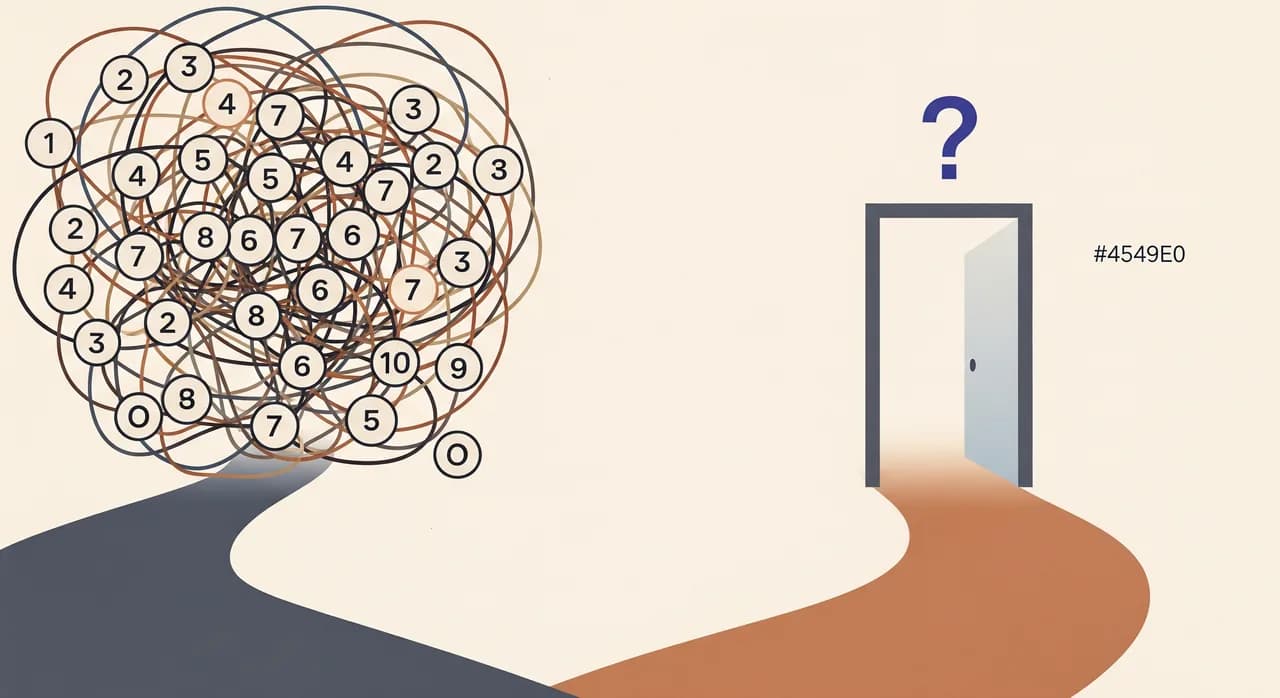
Detta är raden som skiljer en modern AI-receptionist från de telefonträd folk hatat i trettio år. Den gamla modellen räcker uppringaren en lista — "tryck ett för försäljning, två för support, tre för öppettider" — eftersom maskinen i andra änden bara kunde matcha knapptryckningar. En AI-assistent kan förstå en mening. Så låt uppringaren säga en mening.
"Hur kan jag hjälpa dig idag?" går nästan inte att förbättra. Den är kort, den är genuint öppen, och den bjuder uppringaren att beskriva sitt faktiska problem i stället för att gissa vilken menyfålla det hamnar i. Uppringaren säger "jag behöver boka om tiden på torsdag" eller "gör ni reparationer samma dag", och en kapabel assistent styr därifrån. Inga siffror, inga grenar, ingen "jag är ledsen, jag förstod inte det där"-slinga.
Undvik den öppna frågans slutna kusin. "Ringer du för att boka en tid?" ramar in uppringaren och tvingar fram en ja-eller-nej-dans när de ville något annat. Undvik också dubbelbottnade öppningar — "Är du ny eller befintlig patient, och ringer du om fakturering eller tidsbokning?" är två beslut innan uppringaren sagt ett ord. En öppen fråga, sedan lyssna. Det är hela draget.
Ton: låt som ditt företag, inte ett callcenter
Hälsningens fyra delar är fasta, men rösten runt dem ska vara helt och hållet din. Ton är skillnaden mellan en hälsning som lugnar och en som får uppringaren att känna att de slagit en växel i ett annat land. Det är också det lättaste att slarva fel med, eftersom standardtonen i de flesta manus är en beige företagsartighet som passar ingen.
Tänk på vem som ringer och hur de känner. Den som ringer en rörmokare klockan sju på morgonen har en läcka och en stigande känsla av oro; de vill ha lugn kompetens, inte pigga tillrop. Den som ringer en frisör planerar något trevligt; en varmare, lättare ton passar. En advokatbyrå vill ha stadga och diskretion. En pizzeria vill ha snabbhet och vänlighet. Hälsningen ska matcha den känslomässiga temperaturen i anledningen till att folk ringer.
- Hantverk och akuttjänster: lugn, direkt, betryggande. Färre ord, snabbare till saken. Uppringaren har ett problem och vill känna att det är i trygga händer.
- Hälsa och välbefinnande: varm och obrådskad, men professionell. Aldrig sockersöt — folk delar privata saker på dessa samtal.
- Salonger, spa, hotell och restaurang: vänlig och en aning personlig. Det är här lite värme i formuleringen lönar sig mest.
- Professionella tjänster: sansad och precis. Självsäkerhet utan stelhet. Diskretion är en del av varumärket.
- Handel och mat: pigg och snabb. Uppringare vill oftast ha ett snabbt faktum — har ni det, har ni öppet — så matcha den energin.
Du behöver inte vara copywriter för att hitta din ton. Läs din hälsning högt. Om den låter som något du faktiskt skulle kunna säga till en kund som står framför dig, behåll den. Om den låter som ett standardbrev, skriv om den tills den inte gör det. Testet är pinsamt enkelt och slår nästan aldrig fel.
Mallar du kan anpassa efter bransch
Här är hälsningar byggda på fyrdelsreceptet, avstämda för olika verksamheter. Behandla dem som utgångspunkter, inte manus att kopiera ord för ord — byt in ditt riktiga namn och de en eller två saker du mest vill att uppringare ska veta att du kan göra.
Tandläkar- eller läkarmottagning
"Norrsidans Tandvård — det här är vår automatiserade assistent. Jag kan boka eller flytta tider och svara på frågor om våra tjänster och öppettider. Hur kan jag hjälpa dig idag?" Varm, professionell, ingen gullighet. Notera att den nämner två konkreta saker (bokning, öppettider) så att en nervös förstagångsuppringare vet att de är på rätt ställe.
Rörmokare, elektriker eller reparationstjänst
"Du har kommit till Bergmann Rör. Det här är vår automatiserade assistent — jag kan ta emot uppgifter om ditt problem och boka in dig, även akuta jobb. Vad har hänt?" Direkt och lugn, där "akuta jobb" signalerar att ett akutsamtal tas på allvar. "Vad har hänt?" är en öppen fråga som passar hur folk faktiskt beskriver en läcka.
Frisör eller spa
"Tack för att du ringer Studio Vera! Jag är salongens automatiserade assistent, och jag kan boka in dig eller kolla tillgängliga tider. Vad är du sugen på idag?" Lite värme är varumärkespassande här. Utropstecknet och det avslappnade "vad är du sugen på" matchar stämningen hos någon som planerar en lyx, utan att slå över i det gimmickiga.
Advokatbyrå eller redovisningsbyrå
"Du har kommit till Harlow & Reeds kontor. Det här är vår automatiserade assistent. Jag kan ta emot ett meddelande till teamet eller hjälpa dig att boka ett rådgivningsmöte. Hur kan jag hjälpa till?" Sansad och en aning mer formell. Den erbjuder ett meddelande och ett rådgivningsmöte — de två saker de flesta som ringer en professionell byrå faktiskt vill ha — och håller diskretionen i fokus genom att inte ställa närgångna frågor i öppningen.
Fraserna som får folk att lägga på
Vissa formuleringar skickar tillförlitligt folk vidare till nästa företag på listan. De är värda att känna till inte för att de är uppenbart hemska — de flesta låter bra på papper — utan för att de tyst signalerar ett dåligt samtal framför dig, och uppringare har lärt sig att lita på den signalen.
- "Lyssna noga eftersom våra menyval har ändrats." Översättning: du är på väg att sitta igenom en lista. Ingens val ändrades. Det är en decenniegammal vana och den lovar tristess.
- "Ditt samtal är viktigt för oss." Frasen har sagts så många gånger före en lång väntan att den nu signalerar motsatsen. Den har blivit ljudet av väntan.
- Ett människonamn utan information. "Hej, det här är Amy!" sagt av mjukvara känns fantastiskt precis så länge det tar innan uppringaren börjar misstänka. Sedan känns det som en bluff.
- "Jag är ledsen, jag uppfattade inte riktigt det där. Vi tar det igen." — på upprepning. En elegant återhämtning är okej. En slinga talar om för uppringaren att assistenten inte faktiskt kan hjälpa, och de kommer att be om en människa eller lägga på.
- "Detta samtal kan spelas in i kvalitets- och utbildningssyfte" som öppningsrad. Om du spelar in, informera om det, men inte innan du ens sagt hej. Börja med namnet, sköt den juridiska noteringen kort när uppringaren är engagerad.
- En hälsning som pågår fyra meningar innan den frågar något. Varje extra mening före den öppna frågan är en mening uppringaren inte bett om och nu är otålig att ta sig förbi.
Den gemensamma nämnaren är död tid och falsk tröst. Uppringare lägger på när öppningen spenderar deras sekunder på ord som inte för dem närmare det de ringde om. Stryk allt som inte bekräftar stället, informerar om assistenten eller bjuder dem att tala, så raderar sig de flesta upplägg-fraserna av sig själva.
Testa den genom att ringa den, sedan finslipa
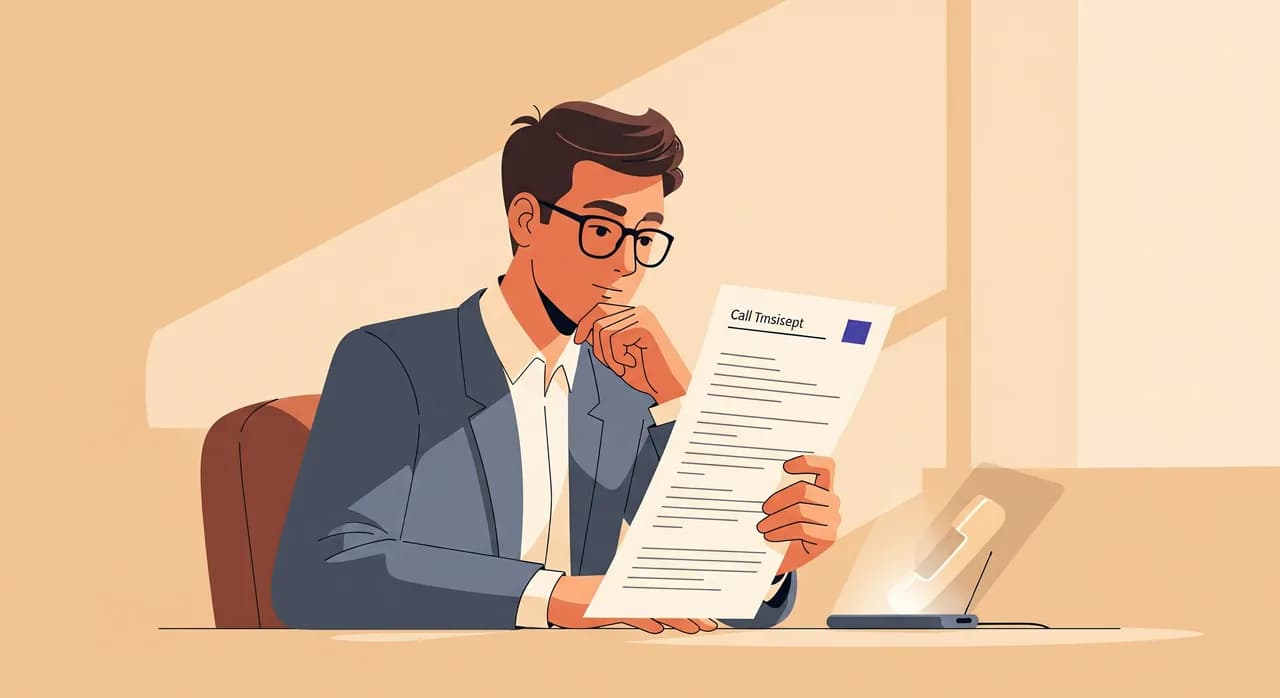
En hälsning som läser bra på skärmen kan ändå landa fel högt. Tempo, betoning, den lilla pausen före den öppna frågan — dem hör du bara när du faktiskt ringer. Det goda är att testa en AI-assistent kostar inget mer än en minut. Med Vunoon beskriver du din verksamhet i en kort guide, och sedan kan du ringa assistenten och tala med den innan en enda riktig kund gör det.
Ring den som en stressad kund skulle. Avbryt den. Mumla. Fråga något lite vid sidan av ämnet. Lägg märke till var du rycker till — det ryckandet är din uppringares ryckande också. Finslipa sedan hälsningen: skala bort ett ord, flytta den öppna frågan tidigare, värm upp eller kyl ner tonen. Små ändringar av öppningsraden fortplantar sig genom varje samtal efter den.
Vad en hälsning inte kan fixa
En perfekt hälsning är en dörr, inte ett hus. Den får uppringaren in villigt och på gott humör, men den kan inte rädda ett samtal där assistenten sedan inte faktiskt hjälper till. Om din företagsprofil är tunn — inga öppettider, vaga tjänster, priser assistenten inte känner till — leder även den varmaste öppningen rakt in i "låt mig ta ett meddelande", och uppringare känner tappet.
Behandla alltså hälsningen som framsidan av en helhet. Bakom den behöver assistenten din verksamhets riktiga detaljer för att svara på de frågor den öppna frågan bjuder in: vad du gör, när du har öppet, vad du tar betalt, hur bokningar fungerar. Och den behöver en elegant utväg för de saker den genuint inte kan göra — ta ett meddelande, lova en återuppringning, aldrig bluffa fram ett svar. En hälsning som lovar hjälp assistenten inte kan leverera är värre än en enkel, eftersom den väcker förhoppningar den sedan gäckar. Få hälsningen och profilen rätt tillsammans, så slutar telefonen vara en källa till oro.
Hur lång bör en hälsning från en AI-receptionist vara?
Ska jag berätta för uppringare att de talar med en AI?
Kan jag använda ett människolikt namn på min AI-assistent?
Vilket är det absolut vanligaste hälsningsmisstaget?
Hur testar jag min hälsning innan kunder hör den?
Hör din hälsning innan dina kunder gör det
Lägg upp en företagsprofil på några minuter, skriv din hälsning och ring assistenten för att höra exakt hur den låter. Justera ordval och ton tills den passar — innan du kopplar över ett enda riktigt samtal.
Se hur upplägget fungerar
Vunoon bygger en AI-telefonassistent som svarar på ditt företags samtal dygnet runt — den bokar tider, svarar på vanliga frågor och skickar dig en sammanfattning av varje samtal.