O manual do recepcionista com IA para clínicas de fisioterapia
Os fisioterapeutas passam o dia com as mãos no paciente, então o telefone toca no vazio. Veja como um recepcionista com IA para fisioterapia se encaixa no funcionamento real de uma clínica de tratamento.
 Vunoon16 min de leitura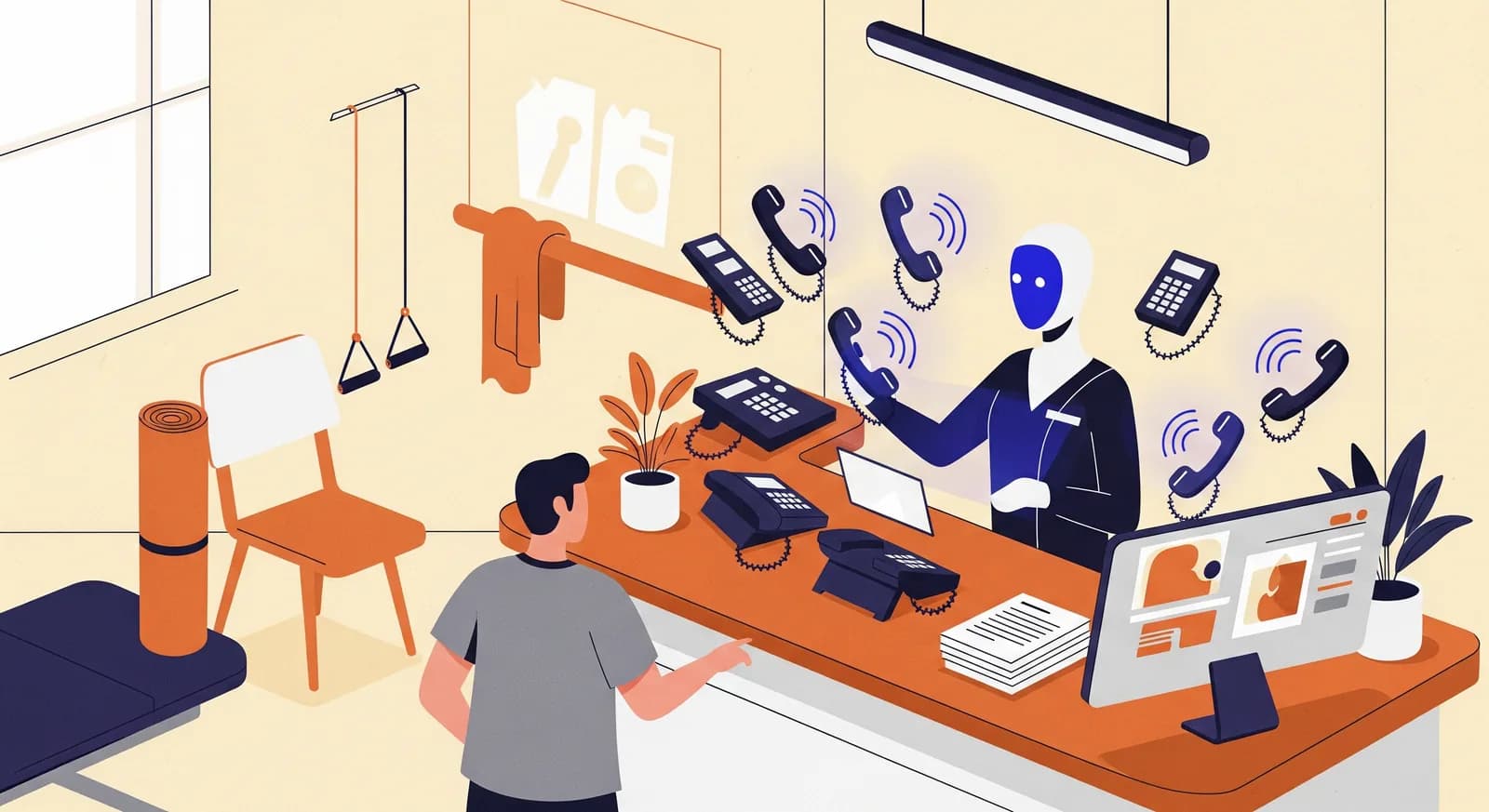
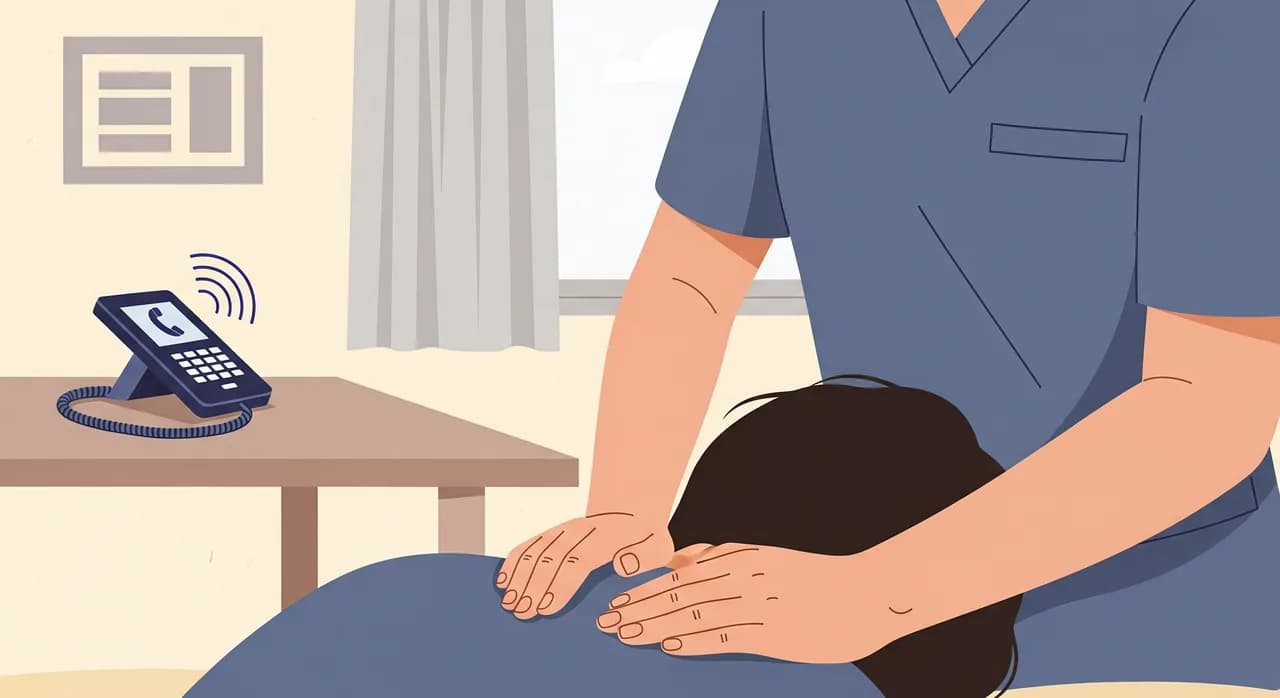
Um fisioterapeuta passa o dia de trabalho com as duas mãos sobre um paciente. É o ofício. E é também a razão pela qual o telefone da clínica toca no vazio oito vezes antes do almoço, e pela qual um recepcionista com IA para fisioterapia não é novidade para essas clínicas: é uma solução direta para um problema estrutural.
A maioria dos conselhos sobre atender o telefone parte do princípio de que há alguém livre para atender. Na fisioterapia essa suposição desmorona antes das nove. Você não pode tirar as mãos de um paciente no meio do tratamento para agendar alguém para quinta-feira. Não pode quebrar a concentração durante uma técnica manual para explicar se aceita determinado encaminhamento. Então a ligação vai para o correio de voz, ou toca no vazio, e a pessoa do outro lado — que sentia dor e finalmente criou coragem para ligar — tenta a próxima clínica da lista.
Este guia é escrito para o dono de uma clínica de fisioterapia pequena ou individual: de um a quatro terapeutas, sem recepção própria, ou com uma recepcionista de meio período que cobre só as manhãs. Ele percorre o que um recepcionista com IA pode realmente fazer por uma clínica baseada em tratamento, onde está o atrito real e — porque só a honestidade merece leitura — onde estão os limites.
Por que as clínicas de fisio perdem mais ligações do que as outras
Compare uma clínica de fisio com um salão de cabeleireiro ou um consultório odontológico e a diferença fica óbvia assim que você a nomeia. Num salão, quase sempre há alguém perto do balcão. Num consultório odontológico, quase sempre há uma auxiliar ou uma recepcionista que pode atender entre pacientes. Numa clínica de fisioterapia pequena, a pessoa dona do telefone é a que presta o tratamento, e os blocos de tratamento duram de trinta a sessenta minutos, sem uma pausa natural para pegar o fone.
O resultado é um padrão muito específico. As ligações se acumulam nas brechas que não existem — meio da manhã, meio da tarde — e caem nos dois ou três minutos entre pacientes em que você escreve anotações, higieniza ou recebe o próximo na sala de espera. Uma ligação perdida nesse contexto não é um leve incômodo. Muitas vezes é um paciente novo que o encontrou por uma busca ou uma indicação e não vai ligar de novo.
O que quem liga para a fisio realmente pede
Antes de decidir se um recepcionista com IA se encaixa, ajuda olhar as ligações que uma clínica de fisio de fato recebe. Não são exóticas. Ao agrupá-las, quatro ou cinco padrões cobrem a esmagadora maioria do tráfego telefônico de entrada de uma clínica de tratamento.
- Consultas de pacientes novos — «Vocês tratam lesões esportivas? Em quanto tempo consigo ser atendido? Preciso de encaminhamento?»
- Reagendar uma série — um paciente atual que precisa fixar as próximas três ou quatro consultas, de preferência no mesmo horário toda semana.
- Cancelamentos e remarcações — a coluna de alguém piorou, ou o trabalho atrapalhou, e é preciso mudar de quinta para a próxima terça.
- Dúvidas de encaminhamento e cobertura — se você aceita um encaminhamento do médico, um convênio específico ou determinado arranjo de cobertura.
- Logística prática — estacionamento, o que vestir, se deve levar resultados de exames, quanto dura a primeira consulta.
Repare em como poucas dessas exigem julgamento clínico. Quem pergunta se você trata lesões esportivas não quer um diagnóstico por telefone — quer saber se chegou à clínica certa e quando pode ser atendido. Essa distinção é o jogo inteiro. As partes que um recepcionista com IA resolve bem são exatamente as que não exigem a expertise de um terapeuta, e essas partes são a maior parte do telefone que toca.
Como um recepcionista com IA para fisio funciona de verdade
Tire o marketing e o mecanismo é simples. Você encaminha o número da sua clínica — o tempo todo, ou apenas quando ele toca no vazio depois de alguns segundos — para um recepcionista com IA que atende na voz da sua clínica. Ele saúda quem liga, entende o pedido em linguagem comum, responde a partir das informações que você forneceu e então agenda a consulta, anota um recado ou promete um retorno. Depois de cada ligação, você recebe um resumo escrito e uma transcrição completa.
A configuração é realmente autônoma e leva minutos, não semanas. Você descreve sua clínica num assistente breve — seus serviços, seus horários, se aceita encaminhamentos, sua política de primeiras consultas — e depois o testa pegando o telefone e conversando com ele, exatamente como faria um paciente. Quando soa certo, você aponta seu número para ele. Sem hardware, sem recepcionista para treinar, sem central telefônica para arrancar.
- 1Descreva a clínicaNum breve assistente de configuração você lista seus serviços, horários, em que consiste uma primeira consulta e como lida com encaminhamentos e cobertura. É desse conhecimento que o assistente responde.
- 2Teste como um pacienteLigue para o seu próprio assistente e faça as perguntas incômodas que quem liga de verdade faria. Ajuste a redação até soar como a sua recepção, não como um robô.
- 3Encaminhe seu númeroDirecione as ligações por completo, ou apenas quando a linha da clínica tocar no vazio. Os pacientes atuais chegam até você do mesmo jeito; nada muda para eles.
- 4Leia os resumosCada ligação atendida chega como um resumo curto mais uma transcrição, então você vê exatamente o que foi perguntado e combinado — entre pacientes, não durante eles.
O problema do reagendamento: as consultas em série
A fisioterapia é um dos poucos contextos de saúde em que o mesmo paciente volta vez após vez ao longo de um trecho definido de semanas. Esse ritmo — tratar, reavaliar, reagendar — é a espinha dorsal da receita da clínica, e é também onde acontece muita fuga silenciosa.
Imagine um momento comum. Um paciente termina uma sessão, você diz para voltar em uma semana, e ele responde que vai «ligar para marcar». Alguns ligam. Muitos têm a intenção e não ligam, porque a vida preenche a brecha. Todo paciente que abandona seu ciclo de tratamento uma ou duas sessões cedo demais é um buraco na agenda do mês que vem que ninguém percebe até estar lá. O telefone é central para fechar essa brecha, e o telefone é justamente o que você não consegue alcançar.
Um recepcionista com IA muda o formato desse momento. Quando um paciente de fato liga para reagendar, recebe uma resposta imediata em vez de um correio de voz — e é a imediatez que converte uma boa intenção numa vaga marcada. O assistente conhece seus horários e pode oferecer o mesmo dia da semana no horário preferido para um tratamento recorrente, que é o que a maioria dos pacientes de fisio realmente quer: uma rotina confiável de terça às dez em torno da qual organizar o resto da semana.
“Todo paciente que abandona seu ciclo de tratamento uma sessão cedo demais é um buraco na agenda do mês que vem que ninguém percebe até estar lá.”
Há um segundo benefício, mais sutil. Como você lê um resumo de cada ligação de reagendamento, ganha uma noção contínua de quem está continuando e quem ficou em silêncio. Um paciente que deveria reagendar e nunca ligou torna-se visível de um jeito que simplesmente não é quando as ligações somem numa linha sem resposta.
Cobrir cancelamentos antes que a vaga esfrie
Os cancelamentos são a outra metade do problema da agenda, e na fisio são piores do que na maioria dos ofícios, por conta de como os pacientes se sentem. Alguém com a coluna em crise cancela porque fisicamente não consegue vir — e essa mesma crise faz com que outra pessoa, em algum ponto da sua lista, pegaria aquela vaga num piscar de olhos se apenas soubesse que está livre.
O problema é o tempo. Um cancelamento que entra às 8h40 só é útil se você conseguir preenchê-lo antes das 9h, e 8h40 é exatamente quando você está preparando seu primeiro paciente. Quando você checa o correio de voz no almoço, a vaga já passou. É aqui que um assistente sempre ativo ganha seu lugar: ele capta o cancelamento no instante em que ele chega e registra os detalhes, para que a brecha esteja no seu radar cedo o bastante para fazer algo a respeito.
Lidar com dúvidas de encaminhamento e cobertura sem um diagnóstico
Quem liga para a fisio faz muitas perguntas do tipo «vocês conseguem me atender?» antes de perguntar sobre horários. Preciso de encaminhamento do médico? Vocês aceitam quem vem por conta própria? Um convênio ou arranjo de cobertura específico cobre o tratamento aqui? São perguntas de portão, e são um motivo frequente para quem liga desistir: não porque a resposta seja não, mas porque não havia ninguém para dizer sim.
Como essas respostas são factuais e fixas — dependem da política da sua clínica, não da condição de quem liga —, um recepcionista com IA as resolve com limpeza. Você diz a ele uma vez se aceita encaminhamentos, com quais arranjos trabalha e o que um paciente novo precisa levar, e ele repete isso de forma coerente a cada pessoa a qualquer hora. Nunca mais perder uma consulta de sexta à noite porque a única pessoa que conhecia a política de encaminhamento já tinha ido para casa.
O argumento para o fisioterapeuta que trabalha sozinho
Se você é uma clínica de um único terapeuta, tudo isso pesa mais, porque você é o tratamento e a recepção e a administração, e não há ninguém para cobrir por você. Contratar uma recepcionista de meio período é um custo real com um encargo real para uma clínica que talvez tenha três salas de tratamento e um único profissional. Muitos fisios solo nunca dão esse salto, então simplesmente absorvem as ligações perdidas como um custo do negócio.
É esse acordo que um recepcionista com IA reescreve em silêncio. Ele dá a uma clínica individual uma cobertura telefônica que roda enquanto você trata, depois que você fecha e nos dias em que tira folga — sem salário, sem escala, sem o constrangimento de treinar alguém para cobrir só umas poucas horas. Para um fisio solo, a proposta honesta não é «cresça mais rápido». É «pare de perder os pacientes que você já conquistou».
Considere o formato de uma semana normal. Digamos que dez ligações por semana toquem no vazio — um número conservador para uma clínica solo movimentada e sem recepção. Se apenas duas delas fossem pacientes novos que teriam iniciado um ciclo de tratamento, e cada ciclo tem várias sessões, o valor de captá-las não é marginal. É quase toda a razão para se dar ao trabalho.
“Para um fisio solo a proposta honesta não é «cresça mais rápido». É «pare de perder os pacientes que você já conquistou».”
Fora do horário e em vários idiomas
Duas vantagens menores merecem ser nomeadas porque se encaixam bem no comportamento dos pacientes de fisio. A primeira é o tempo. As pessoas marcam fisio em torno do trabalho — ligam no caminho, no almoço, voltando para casa, à noite quando a dor do dia já as alcançou. Boa parte da demanda real chega fora dos horários que uma recepcionista de meio período jamais cobriria. Um assistente que atende às 19h capta a pessoa que quis ligar o dia todo e finalmente tem um momento.
A segunda é o idioma. A dor não respeita uma língua materna comum, e uma clínica num bairro misto perde quem não se sente seguro ao telefone no idioma local. Um recepcionista com IA que fala muitos idiomas deixa essas pessoas explicarem o que precisam e serem agendadas, em vez de desligar e tentar onde imaginam que será mais fácil. Para uma clínica que atende uma base de pacientes diversa, isso não é um luxo: são pessoas de quem, de outra forma, você nunca ouviria falar.
Onde ele realmente fica aquém
Nenhuma ferramenta merece confiança se quem a vende não diz onde ela para de funcionar. Então, sem rodeios: um recepcionista com IA é uma boa porta de entrada administrativa, não um terapeuta nem um substituto para o julgamento clínico.
- Ele não faz triagem clínica. Pode sinalizar quem soa urgente e direcioná-lo a você, mas decidir se uma lesão é grave é o seu trabalho, não o do software.
- Ele é só tão bom quanto o que você lhe diz. Se sua política de cobertura ou seus horários mudarem e você não atualizar o perfil, ele repetirá com confiança a resposta antiga. Ele reflete sua configuração, fielmente.
- Conversas complexas e emocionais ainda pedem um humano. Um paciente aflito, uma reclamação delicada, uma negociação sutil sobre uma conta — isso deve chegar a uma pessoa, e um bom assistente deve repassar com elegância em vez de forçar um roteiro.
- Ele não vai fingir ser humano. Isso é uma qualidade, não um defeito: quando quem liga pergunta, ele deve ser honesto sobre o que é, o que gera mais confiança do que uma má imitação.
Leia essa lista como um alívio, não como um alerta. As coisas que um recepcionista com IA não consegue fazer são justamente aquelas que você gostaria que um profissional humano fizesse de qualquer forma. Ele limpa o ruído administrativo para que sua atenção — e o tempo dos seus pacientes com um terapeuta de verdade — vá para onde deve.
Configurá-lo para que soe como a sua clínica
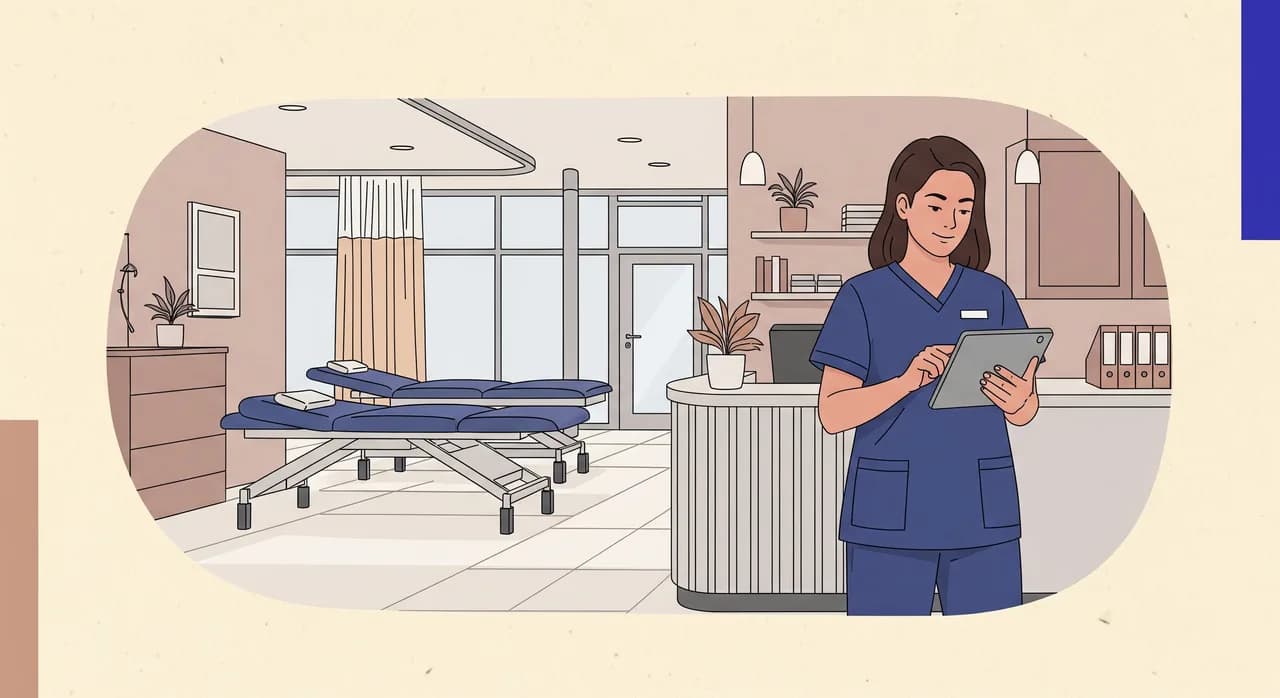
A diferença entre um assistente em que os pacientes confiam e um em que desligam está quase inteiramente na configuração. Quem liga para a fisio muitas vezes está com desconforto e um pouco ansioso; um tom acolhedor, claro e sem pressa importa aqui mais do que na maioria dos ofícios. Algumas escolhas deliberadas fazem a diferença.
- 1Escreva as respostas que você está cansado de darAs perguntas que você mesmo responde vinte vezes por semana — encaminhamentos, duração da primeira consulta, o que vestir, estacionamento — são exatamente o que o assistente deveria saber de cor. Coloque-as primeiro.
- 2Defina os gatilhos de repasseDecida explicitamente quando uma ligação deve chegar a você em vez de ser resolvida: descrições de sintomas, reclamações, qualquer coisa clínica. Teste esses casos e confirme que ele recua.
- 3Ajuste o tom a quem liga ansiosoMantenha-o calmo e tranquilizador, não seco. Quem liga por causa de uma coluna dolorida deve sentir, já na primeira frase, que chegou a uma clínica competente e atenciosa.
- 4Revise as primeiras semanas de transcriçõesLeia o que as pessoas de verdade perguntaram. Você notará lacunas no perfil rapidamente e poderá fechá-las, para que o assistente fique mais afiado exatamente onde seus pacientes o pressionam.
Como você pode conversar com o seu próprio assistente antes de qualquer paciente, não há motivo para lançá-lo no chute. Ligue para ele. Seja difícil. Faça a pergunta esquisita, a do arranjo de cobertura ou de uma lesão de nicho, e veja como ele responde. Dez minutos disso valem mais do que qualquer configuração no papel.
Um recepcionista com IA consegue mesmo marcar consultas de fisio, ou só anotar recados?
Os pacientes vão saber que estão falando com uma IA?
O que acontece quando alguém descreve sintomas ou soa urgente?
Só vale a pena para fisios solo, ou para clínicas maiores também?
Quanto tempo leva a configuração para uma clínica de fisioterapia?
Pare de perder pacientes para um telefone que toca no vazio
Configure um recepcionista com IA calibrado para uma clínica de fisioterapia, teste ligando você mesmo e encaminhe seu número quando soar certo. Cobertura que funciona enquanto suas mãos estão ocupadas.
Veja como funciona para a fisioterapia
A Vunoon desenvolve um assistente telefónico com IA que atende as chamadas da sua empresa 24 horas por dia — marca consultas e serviços, responde às perguntas mais comuns e envia-lhe um resumo de cada conversa.