خدمة الرد الآلي الذكي مقابل خدمة الرد البشري: مقارنة صادقة
نظرة جنباً إلى جنب على خدمة الرد الآلي مقابل خدمة الرد البشري — هياكل التكلفة الحقيقية، والتوفر، والاتساق، والمواقف التي ما زال فيها الموظف البشري على الخط هو الخيار الأفضل.
 Vunoon12 دقائق قراءة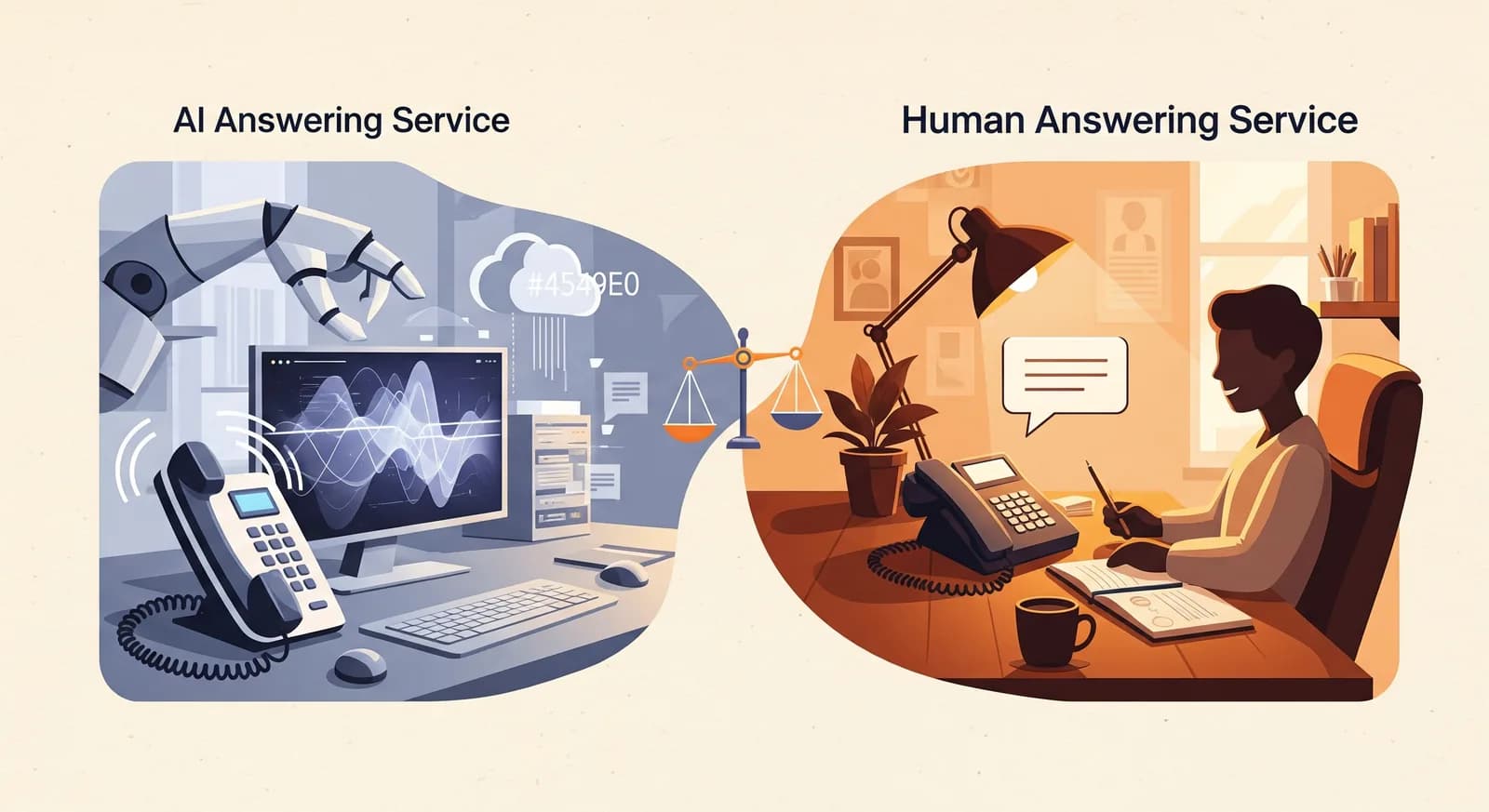
كل نشاط تجاري فاتته مكالمة يوماً ما، كتب في مرحلة ما كلمة "خدمة الرد" في مربع بحث. وما يعود إليه هو مفترق طرق: توظيف خدمة رد بشري يعمل بها أشخاص حقيقيون، أو إعداد خدمة رد آلي ترد من تلقاء نفسها. فأسعارهما مختلفة، وطريقة فشلهما مختلفة، وكل منهما بارع في أمور تكاد تكون متعاكسة. هذه هي المقارنة الصادقة جنباً إلى جنب.
الوعد الذي يقدمه كلاهما متطابق — سنرد على الهاتف كي لا تضطر أنت لذلك — وهذا ما يجعل الخلط بينهما سهلاً والمقارنة الفعلية بينهما صعبة. لذا دعنا لا نقارن التسويق. لنقارن كيف يتصرف كل منهما في تمام السابعة وأربع عشرة دقيقة صباح الثلاثاء، حين يكون المتصل منزعجاً، والسؤال غريباً، ولا أحد في متجرك متفرغاً للرد.
ما هو كل منهما في الحقيقة
خدمة الرد البشري هي شركة توظّف وكلاء هاتفيين. عندما يرن خطك، يُحوَّل إلى مركز الاتصال لديهم. فيقوم شخص — غالباً ما يتعامل مع عدة حسابات في آنٍ واحد — بقراءة نص برمجي زوّدته به، وتدوين رسالة، وحجز موعد في تقويمك، وتمرير ذلك إليك. أنت تدفع مقابل وقتهم، عادةً بالدقيقة أو بالمكالمة.
خدمة الرد الآلي هي برنامج له صوت. يرد فوراً، ويتحدث بشكل طبيعي، ويعمل من ملف تعريف تُعِدّه أنت: خدماتك، وساعات عملك، وأسعارك، وقواعد الحجز لديك. يجري حواراً حقيقياً ذهاباً وإياباً، ويأخذ الحجز أو الرسالة، ثم يرسل إليك ملخصاً ونصاً كاملاً بعد ذلك. لا سمّاعة رأس، ولا جدول مناوبات، ولا موسيقى انتظار بينما يبحث أحدهم عن ملفك.
كلاهما يقف أمام رقم هاتفك. الفرق هو مَن — أو ماذا — على الطرف الآخر، وهذا الفرق يظهر في كل مكان: في الفاتورة، وفي وقت الانتظار، وفيما يحدث عندما يقول المتصل شيئاً لم يتوقعه النص البرمجي قط.
هيكل التكلفة هو الفرق الحقيقي
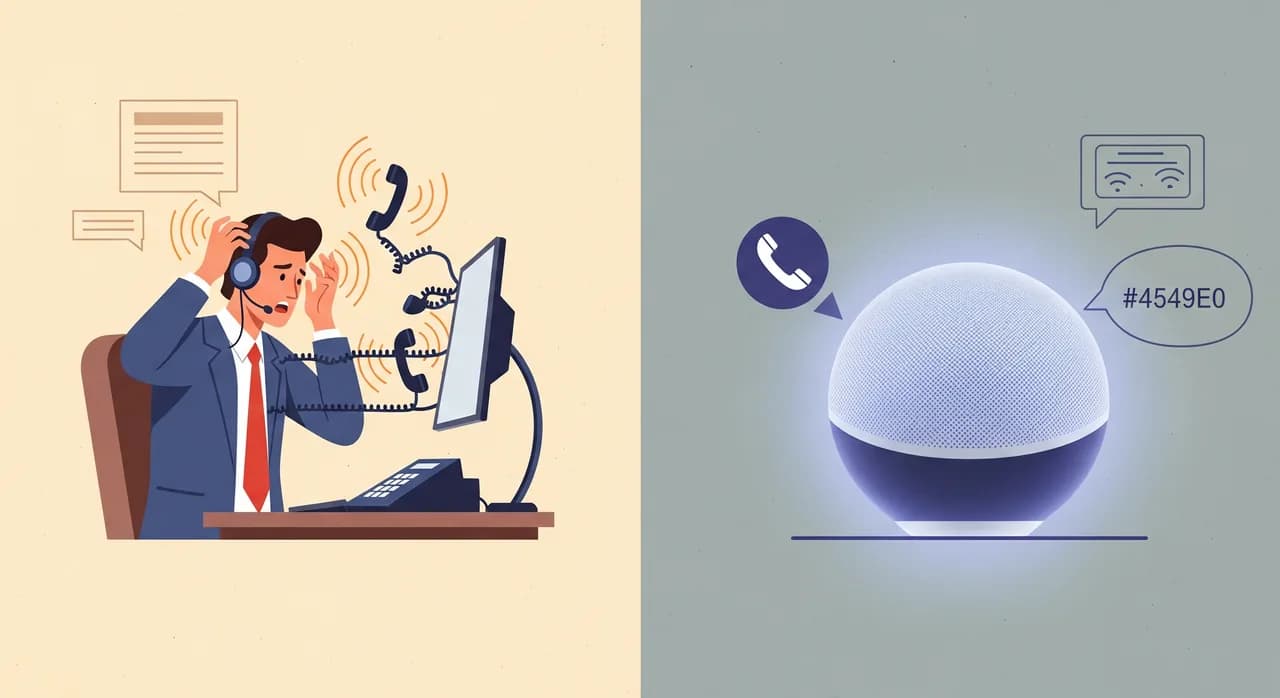
يقارن الناس خدمات الرد بناءً على السعر المعلن. وهذا هو الرقم الخاطئ. الرقم الذي يهم هو كيف تتوسّع التكلفة مع حجم مكالماتك، لأن ذلك هو ما يحدد ما إذا كانت الخدمة توفّر لك المال أم تلتهم هامش ربحك بهدوء كلما نميت.
الخدمة البشرية نموذجها بالدقيقة أو بالمكالمة. وهذا عادل — فأنت تستأجر انتباه شخص، وانتباهه محدود. لكن هذا يعني أن المتصل الثرثار، أو الحجز البطيء، أو من يتصل ثلاث مرات ليغيّر رأيه، كلهم يكلّفونك أكثر. المكالمات الطويلة مكلفة بحكم تعريفها، والمكالمات التي تحتاج أكثر من غيرها إلى معالجة جيدة تميل إلى أن تكون الطويلة.
الخدمة الآلية أقرب إلى نموذج سعة ثابتة. فالبرنامج لا يتعب عند المكالمة رقم أربعين، و"وكيل" واحد يمكنه إجراء عشر محادثات في آنٍ واحد دون أن يدري أيٌّ من المتصلين. تبدو تكلفة اليوم المزدحم واليوم الهادئ متقاربة تقريباً. للاطلاع على تفاصيل الأسعار في Vunoon، راجع صفحة الأسعار — لكن ما يهم هنا هو الشكل العام، لا الرقم.
هناك تكلفة خفية على الجانبين أيضاً. مع الخدمة البشرية، إنها فترة التهيئة: تكتب النصوص البرمجية، وتدرّبهم على عملك، وكل تفصيل جديد يتطلب اتصالاً بمدير حسابك. ومع الذكاء الاصطناعي، إنها معالج الإعداد: خمس عشرة دقيقة تصف فيها عملك بصدق، واستعداد لاختباره قبل أن تثق به. لا شيء منهما خالٍ من الجهد. وكلاهما أرخص من عميل ضائع.
التوفر وسرعة الرد
هنا يتمتع الذكاء الاصطناعي بميزة بنيوية، ويجدر أن نكون صريحين بشأنها. يرد البرنامج عند الرنّة الأولى، في الثالثة فجراً، في عطلة رسمية، خلال الدقائق الخمس بالضبط التي يكون فيها وكيلك البشري الوحيد مشغولاً بمكالمة أخرى. ليس له طابور خاص به — فكل متصل هو الأول في الصف.
الخدمات البشرية ممتازة في التغطية من حيث المبدأ — فكثير منها يعمل على مدار الساعة — لكنها تتقاسم وكلاءها بين عملاء كثر. وحين تزدحم عدة حسابات في وقت واحد، ينتظر أحدهم على الخط. المتصل الذي أراد إجابة سريعة فحصل على دقيقتين من موسيقى الانتظار قد كوّن بالفعل رأياً عن عملك، وليس رأياً جيداً.
“المتصل لا يختبر نسبة تشغيل خدمة الرد لديك. إنه يختبر الثواني الأربع قبل أن يقول أحدهم مرحباً.”
بالنسبة لنشاط تجاري من شخصين، هذا التفاوت حاسم. لا يمكنك تغطية هاتفك بنفسك أثناء الغداء، وأثناء عمل في الموقع، وأثناء اصطحاب الأطفال من المدرسة — ولا يمكنك أن تطلب من خدمة بشرية أن ترد فوراً، في كل مرة، دون استثناء. الذكاء الاصطناعي يستطيع، لأن الرد ليس مورداً نادراً بالنسبة له. إذا كان عدم تفويت أي مكالمة هو الهدف كله، فذلك وحده يحسم جزءاً كبيراً من النقاش.
الاتساق: هل يحصل كل متصل على التجربة نفسها؟
للبشر أيام جيدة وأيام سيئة. فالوكيل البارع يجعل المتصل يشعر بأنه محل عناية؛ والوكيل المُرهق في نهاية مناوبة مزدوجة قد يكون فظاً، أو ينطق أسماء خدماتك خطأ، أو ينسى التفصيل الذي أشرت إليه الأسبوع الماضي. أنت لا تعرف أبداً أيهما سيصادف عميلك، لأنك لست على الخط.
الذكاء الاصطناعي متسق بلا هوادة. يستقبل المتصل العاشر في الساعة بالدفء نفسه الذي استقبل به الأول. يذكر الأسعار نفسها، ويصرّح بالساعات نفسها، ويتبع قواعد الحجز نفسها في كل مرة، لأن تلك الأمور تأتي من ملف تعريف تُعِدّه مرة واحدة وتتحكم فيه. لا وجود لـ"الموظف الجديد لم يكن يعرف أننا لا نفعل ذلك أيام الاثنين."
غير أن الاتساق سيف ذو حدين، والصدق يقتضي أن نقول ذلك. فالبشري يستطيع قراءة الموقف والخروج عن النص حين يكون الخروج عنه صواباً. أما الذكاء الاصطناعي فيتبع الملف بأمانة — وهي ميزة حين يكون الملف جيداً، ومسؤولية حين تكون تعليماتك غامضة. الاتساق لا يفوق جودة الإعداد الذي وراءه. مدخلات رديئة، تخرج بأدب واتساق.
التعامل مع الطلب الذي لم يضع أحدٌ نصاً له
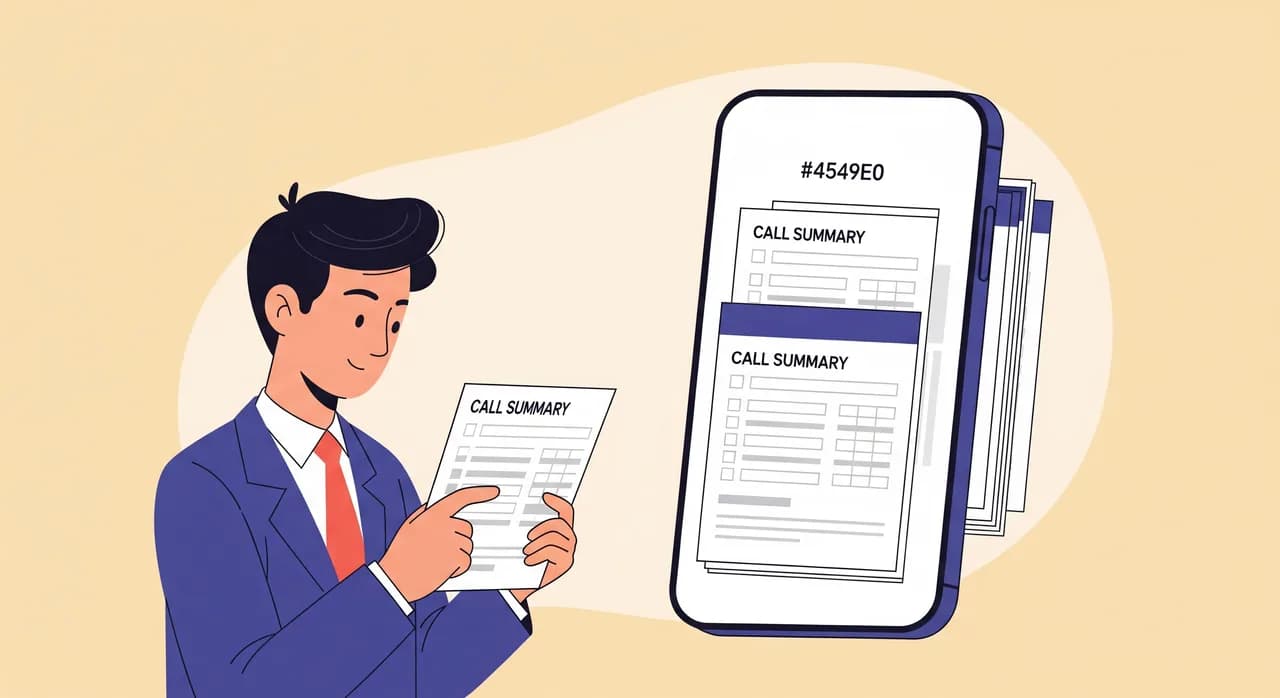
هنا يكمن جوهر المقارنة الصادق. معظم المكالمات روتينية — الساعات، والأسعار، "هل أحجز الخميس؟" — وكلا الخيارين يتعامل معها جيداً. السؤال المثير هو ما يحدث في المكالمة الشاذة: العاطفية، والغامضة، وتلك التي تحمل طلباً ليس في كتيّب أحد.
الذكاء الاصطناعي الحديث بارع حقاً في فهم الكلام الطبيعي غير المنظم. فالمتصل لا يحتاج إلى نطق الكلمات السحرية؛ يمكنه أن يسترسل، ويتراجع، ويتمتم برمز بريدي، ومساعدٌ مبنيٌ جيداً يواكبه. يستطيع الإجابة عن أسئلة المتابعة، والتعامل مع "في الواقع، اجعلها لشخصين،" ويبقى هادئاً مهما بدا صوت المتصل.
لكن هناك حداً حقيقياً، والخدمة الآلية الجيدة تعرفه. حين يتجاوز طلبٌ ما يمكنها فعله بثقة — شكوى حسّاسة، أو تفاوض مخصص، أو حالة استثنائية تحتاج إلى حُكم بشري — فالتصرف الصحيح ليس المُخادعة. Vunoon يأخذ رسالة أو يرتّب معاودة اتصال بدلاً من اختلاق إجابة، ولا يتظاهر بأنه بشري حين يسأل المتصل. هذا التسليم السلس أهم من حيلة الظهور بمظهر الذكي.
- الخدمة البشرية تتفوق حين يكون المتصل مستاءً ويحتاج أن يشعر بأن شخصاً آخر أنصت إليه قبل أن يحدث أي شيء آخر.
- الخدمة البشرية تتفوق حين يكون الطلب مفتوحاً حقاً — "نحن نخطط لشيء غير معتاد، هل يمكننا مناقشته؟"
- الذكاء الاصطناعي يتفوق حين يريد المتصل إجابة سريعة وصحيحة ولا يوجد ببساطة بشري متفرغ لتقديمها.
- الذكاء الاصطناعي يتفوق في الحجز المتطابق العشرين في اليوم، حيث يكون البشري المُرهق أكثر عرضة للزلل.
من يعرف عملك حقاً؟
وكيل خدمة الرد البشري يعرف ما في ورقة حسابك. هذا كل شيء. إنهم ليسوا في متجرك، ولا يرون تقويمك ما لم تربطه، وهم يتعاملون مع عملاء آخرين بين مكالماتك. معرفتهم بك عميقة تماماً بقدر عمق الملاحظات التي أعطيتهم إياها — وهي في الغالب صفحة أو صفحتان.
معرفة المساعد الآلي أيضاً هي تماماً ما أعطيته إياه — لكن يمكنك أن تعطيه الكثير، وبدقة، وأن تغيّره في ثوانٍ. حدّث سعراً، أضف خدمة جديدة، احجب يوم الجمعة القادم، دوّن أنك مغلق للجرد: يصبح ذلك سارياً فوراً، في كل مكالمة، دون "سأبلّغ الفريق." لا فجوة بين ما هو صحيح عن عملك وما يُقال للمتصل.
لا شيء منهما يحل محل المالك الذي يعرف العمل حقاً. كلاهما مكتب استقبال، لا شريك. الهدف الواقعي ليس موظف استقبال يقرأ أفكارك؛ بل واحد يعرف بموثوقية العشرين أمراً التي يسأل عنها المتصلون فعلاً. عند هذا المستوى، من الصعب التغلب على ملف تعريف مُعدّ جيداً، لأنه لا يمرّ بيوم سيئ ولا يرحل إلى وظيفة أفضل.
مسألة الثقة: هل يمانع المتصلون في التحدث إلى ذكاء اصطناعي؟
هذا هو الاعتراض الذي يثيره الملّاك أكثر من غيره، ويستحق إجابة صريحة. بعض المتصلين، حين يُقال لهم إنهم يتحدثون إلى مساعد، يشعرون بالنفور — بالطريقة نفسها التي يتضايق بها بعض الناس من أي خط آلي. التظاهر بغير ذلك سيكون غير صادق.
لكن المقارنة ليست بين الذكاء الاصطناعي وبين بشري دافئ يرد عند الرنّة الأولى. بالنسبة لمعظم الأنشطة الصغيرة، البديل الحقيقي هو البريد الصوتي، أو هاتف يرن دون أن يرد عليه أحد. مقابل ذلك، يكون مساعد واضح وطبيعي يرد فعلاً ويساعد فعلاً خطوة إلى الأمام، لا إلى الوراء. المتصلون يتسامحون كثيراً حين تُحلّ المكالمة.
“منافس مساعدك الآلي عادةً ليس موظف استقبال. إنه بريدك الصوتي — والبريد الصوتي يخسر أمام أي شيء تقريباً.”
قلق الثقة يتبدد في الغالب حين يكون الذكاء الاصطناعي صادقاً. فهو لا ينتحل شخصية إنسان، ولا يلفّ ويدور، وحين لا يستطيع المساعدة يقول ذلك ويوصل المتصل إلى من يستطيع. والخدمة البشرية التي تضع المتصلين على الانتظار دقيقتين وتقرأ نصاً متيبّساً من بطاقة لا تفوز تلقائياً في مسابقة الدفء أيضاً.
حيث ما زالت خدمة الرد البشري تتفوق دون منازع
المقارنة التي تُطري جانباً واحداً فقط لا تستحق القراءة. هناك سيناريوهات حقيقية تكون فيها خدمة الرد البشري الخيار الأفضل، وينبغي أن تختارها في هذه الحالات دون اعتذار.
- 1الخطوط عالية العاطفة وعالية المخاطرتخيّل دار عزاء صغيرة، أو عيادة مستشار نفسي فردية. أول ثلاثين ثانية من المكالمة رعاية عاطفية، لا معلومات. البشري هو الإجابة الصحيحة، والأمر لا يحتمل النقاش.
- 2الاستقبال المعقّد الاستشاريإذا كان كل استفسار محادثة مخصصة — ورشة نجارة راقية تحدد نطاق طلب مصمَّم خصيصاً — فليس هناك نص كافٍ لاتباعه. بشري متمكّن، أو أنت، أفضل من أي مكتب استقبال.
- 3المشورة المنظّمة أو الحسّاسةأي شيء يقترب من الإرشاد الطبي أو القانوني أو المالي يجب ألا يرتجله مساعد أبداً. خدمة بشرية مدرَّبة ببروتوكولات صارمة — أو معاودة اتصال مباشرة — هي المسار المسؤول.
- 4الألفة المحلية أو الشخصية العميقةعيادة في قرية يتوقع فيها المتصلون سماع صوت مألوف باسمه. تلك العلاقة هي المُنتَج. أتمِت المكالمات الزائدة، واحتفظ بالبشري للزبائن الدائمين.
لاحظ النمط: البشر يتفوقون حين تكون المكالمة نفسها هي القيمة — حين يكون التعامل معها فعلاً بشرياً ماهراً. والذكاء الاصطناعي يتفوق حين تكون المكالمة معاملة تحتاج في الغالب أن تُنجَز بسرعة، وبشكل صحيح، وفي كل مرة. معظم الأنشطة لديها كلا النوعين من المكالمات، وهذا يشير إلى الإجابة التي لا يريد أي عرض مدفوع أن يقدمها لك.
الحقيقة غير المريحة: غالباً ليست إما/أو
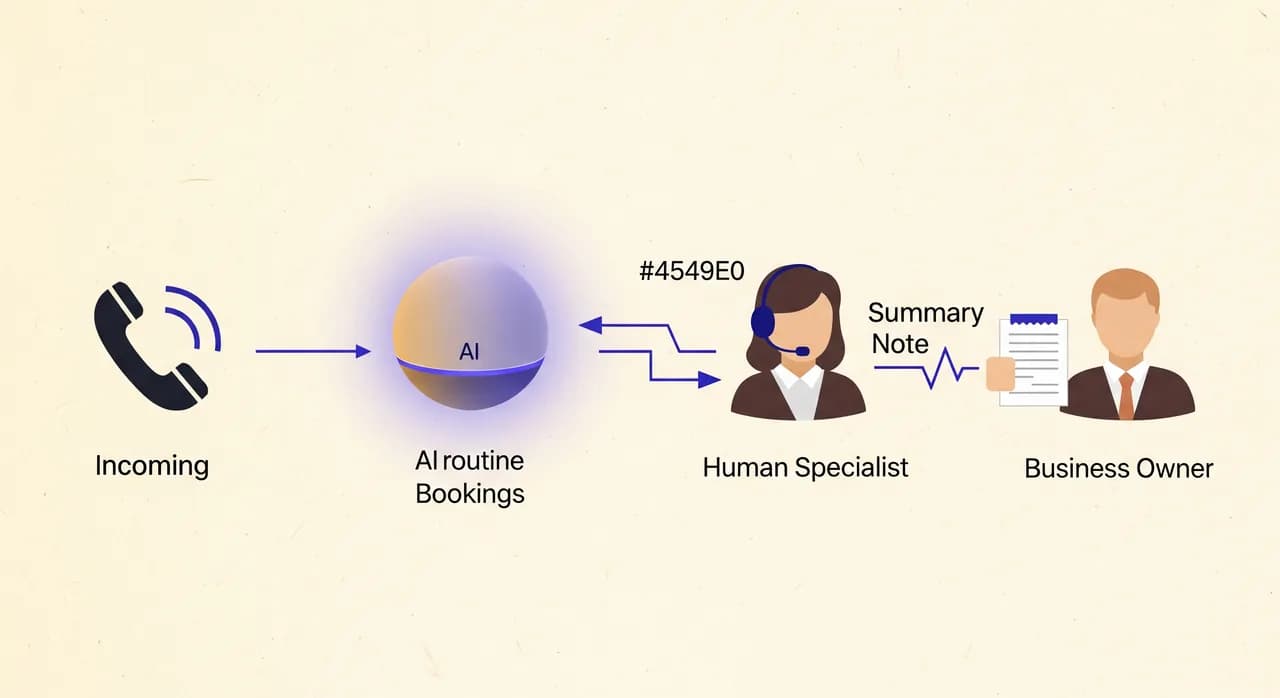
صياغة "خدمة الرد الآلي مقابل خدمة الرد البشري" توحي بأن عليك اختيار فريق. لكن في الواقع، أذكى الإعدادات تمزج بينهما. الذكاء الاصطناعي يلتقط كل شيء — مكالمات ما بعد الدوام، والفائض حين تكون مثقلاً، والحجز الثاني عشر في اليوم — ويوجّه المكالمات الحسّاسة فعلاً إلى بشري، سواء أكان وكيل خدمة أم أنت تعاود الاتصال والنص الكامل بين يديك بالفعل.
فكّر فيها على أنها فرز. الذكاء الاصطناعي هو مكتب الاستقبال الذي لا ينام ولا يفوّت أبداً؛ والبشري هو المتخصص الذي تستدعيه حين يقرر المكتب بحق أن هذه المكالمة تفوق مستواه. تتوقف عن دفع أجر بشري بالدقيقة مقابل "في أي ساعة تغلقون؟" وتتوقف عن ترك أصعب مكالماتك لآلة. كلٌّ يفعل ما هو بارع فيه فعلاً.
كيف تقرر بشأن عملك أنت
تجاوز جداول الميزات وأجب بصدق عن أربعة أسئلة بشأن مكالماتك الفعلية. ستوجّهك إلى الخيار الصحيح أسرع من أي جدول مقارنة لأي بائع.
- ما نسبة مكالماتك الروتينية؟ إذا كان معظمها عن الساعات والأسعار والحجوزات، فالذكاء الاصطناعي يغطي القسم الأكبر بثمن زهيد وفوراً.
- ما مدى تذبذب حجمك؟ الذُّرى الكبيرة تكافئ النموذج ثابت التكلفة اللامتناهي التوازي. الحجم المنخفض الثابت يضيّق الفجوة.
- ما مدى عاطفية أو تخصيص المكالمة النموذجية؟ كلما احتاجت كل مكالمة إلى حُكم أكثر، استحق البشري أجره بالدقيقة أكثر.
- ما البديل الحقيقي اليوم؟ إن كان البريد الصوتي أو مكالمة ضائعة، فأي خدمة رد تقريباً هي مكسب — فحسّن للخيار الذي ستُبقيه فعلاً قيد التشغيل.
الخبر السار أن إعداد الذكاء الاصطناعي ذاتي الخدمة وسريع، فيمكنك أن تكتشف بنفسك دون عقد أو دورة مبيعات. صِف عملك في معالج قصير، ثم اتصل به وحاول أن تُعطبه. اطرح الأسئلة الغريبة التي يطرحها عملاؤك الحقيقيون. عشر دقائق من ذلك تخبرك أكثر من أي مقال مقارنة — بما في ذلك هذا المقال.
هل خدمة الرد الآلي أرخص من خدمة الرد البشري؟
هل سيعرف المتصلون أنهم يتحدثون إلى ذكاء اصطناعي بدلاً من شخص؟
ماذا يحدث عندما لا يستطيع الذكاء الاصطناعي التعامل مع مكالمة؟
متى ينبغي أن أظل أستخدم خدمة الرد البشري؟
هل يمكنني استخدام الرد الآلي والبشري معاً؟
جرّبه على مكالماتك الصعبة أنت
صِف عملك في معالج قصير، ثم اتصل بالمساعد وشاهد كيف يتعامل مع الأسئلة التي يطرحها عملاؤك الحقيقيون. لا عقد، ولا دورة مبيعات — فقط اكتشف بنفسك.
شاهد كيف يعمل الإعداد
تطوّر Vunoon مساعد هاتف بالذكاء الاصطناعي يرد على مكالمات عملك على مدار الساعة — يحجز المواعيد، ويجيب عن الأسئلة الشائعة، ويرسل إليك ملخصًا لكل مكالمة.