Koľko v skutočnosti stoja zmeškané hovory malú firmu
Zmeškané hovory pôsobia ako drobná nepríjemnosť — kým si nesadnete k počítaniu. Tu je jednoduchý vzorec, ktorý premení zvoniaci telefón na číslo, s ktorým sa dá pracovať.
 Vunoon12 min čítania
Nikto si do tabuľky nezapíše „400 libier stratených v hlasovej schránke“. Presne preto zostáva cena zmeškaných hovorov pre malú firmu neviditeľná, kým si niekto nesadne a nespočíta si to. Tak si to spočítajme.
Prečo cena zmeškaných hovorov zostáva skrytá
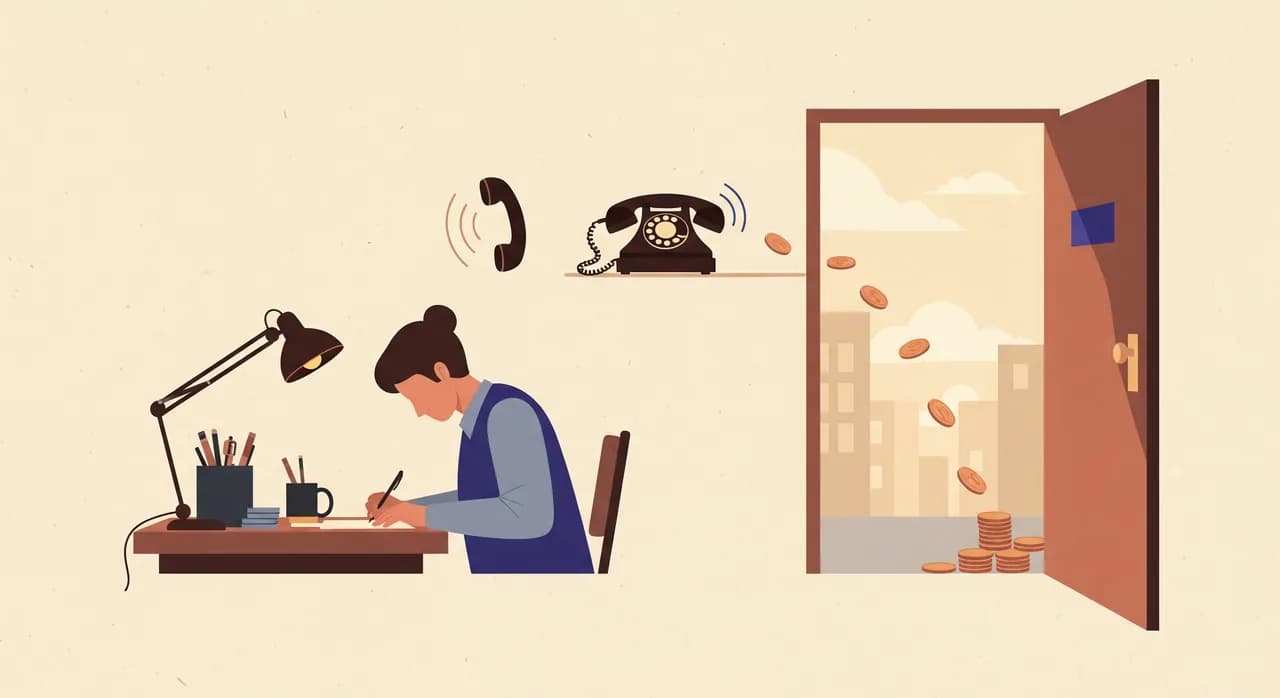
Stratený predaj na webe vidno okamžite: niekto otvoril košík, potom zmizol a analytika zaznamená opustený nákup. Zmeškaný hovor nezanechá žiadnu stopu. Telefón štyrikrát zazvoní, prepne sa na hlasovú schránku a volajúci — ktorý stál v kuchyni s pretekajúcim potrubím — zloží a vytočí ďalšieho inštalatéra v poradí. Žiadna notifikácia, žiadny záznam, žiadne červené číslo. Jednoducho sa nikdy nedozviete, že ten hovor vôbec bol.
Práve tá neviditeľnosť je celý problém. Majitelia sa upínajú na to, čo sa dá merať — výdavky na reklamu, konverzie, hodnotenia — zatiaľ čo kanál, cez ktorý často prichádza väčšina ich objednávok, potichu preteká deň čo deň. Cieľom tohto článku je urobiť tú dieru viditeľnou. Nie strašidelnou štatistikou z odvetvia, ktorú si nemáte ako overiť, ale číslom, ktoré si vypočítate sami, z vlastnej firmy, asi za desať minút.
Keď to číslo raz máte, všetko ostatné je zrazu jednoduchšie: či sa oplatí ďalší pár rúk, či záleží na hovoroch, ktoré vám ušli počas obeda, či má zmysel dvíhať telefón o ôsmej večer. Prestanete hádať a začnete rozhodovať.
Vzorec: tri čísla, jedna odpoveď
Nepotrebujete model s pätnástimi predpokladmi. Cena zmeškaných hovorov sa scvrkne na tri veci, ktoré viete poctivo odhadnúť: koľko hovorov zmeškáte, akú hodnotu má zákazník a koľko z tých, ktorí sa nedovolali, to už nikdy neskúsi znova. Vynásobte a máte svoju mesačnú dieru.
Mesačne stratené tržby = zmeškané hovory za mesiac × (podiel volajúcich, ktorí už nezavolajú) × (podiel zodvihnutých hovorov, z ktorých sa stane zákazník) × priemerná hodnota zákazníka.
Na ten posledný násobiteľ sa zabúda, a pritom je dôležitý. Nie každý zodvihnutý hovor skončí objednávkou — niektoré sú omyly, prieskumníci cien alebo existujúci zákazníci. Počítame teda len zmeškané hovory, ktoré by sa boli premenili na zákazku, a len tie, ktoré volajúci nezachránil opätovným zavolaním. Poďme si prejsť každé číslo.
Číslo jeden: koľko hovorov naozaj zmeškáte
Toto je údaj, ktorý majitelia podceňujú najviac, pretože si pamätáte len hovory, po ktorých niekto nechal odkaz. Tie tiché — volajúci zloží a skúsi niekoho iného — nezanechajú vôbec žiadnu spomienku. Váš telefón však pozná pravdu. Väčšina mobilov aj firemných liniek zaznamenáva každý prichádzajúci hovor, vrátane tých, ktoré ste nezodvihli.
Otvorte si výpis hovorov za posledný celý mesiac a spočítajte tri kategórie: hovory, ktoré ste zodvihli, hovory, ktoré skončili v hlasovej schránke s odkazom, a hovory, ktoré dozvonili do prázdna alebo skončili v schránke bez odkazu. Posledné dve sčítajte. Ten súčet — nie iba odkazy — je váš počet zmeškaných hovorov. Ak voláte cez pevnú linku, ktorá zmeškané hovory neeviduje, dva týždne si ich čiarkujte ručne; je to otravné, ale otvorí vám to oči.
Číslo dva: akú hodnotu má zákazník v skutočnosti
Používajte hodnotu zákazníka, nie hodnotu jednej zákazky. Prvý strih môže stáť 30 libier, ale spokojná klientka, ktorá sa dva roky vracia každých šesť týždňov, má hodnotu niekoľko stoviek. Oprava kotla je jedna faktúra; skutočnou výhrou je ročná servisná zmluva a traja susedia, ktorých vám odporučí. Zmeškaný prvý hovor vás nestojí len tú zákazku — stojí vás celý vzťah.
Ak vám celoživotná hodnota pripadá príliš hmlistá, začnite konzervatívne: použite priemernú hodnotu prvej transakcie. Škodu tým podhodnotíte, ale číslo zostane obhájiteľné a nenahovoríte si sumu takú veľkú, že jej sami neuveríte. Násobiteľ za vernosť môžete pridať neskôr, keď celému cvičeniu začnete dôverovať.
Číslo tri: koľkí už nikdy nezavolajú
A tu je násobiteľ, ktorý oddeľuje miernu nepríjemnosť od skutočných nákladov. Keby každý, kto sa k vám nedovolal, jednoducho zavolal o hodinu znova, na zmeškaných hovoroch by takmer nezáležalo. Lenže nezavolá. Keď niekto potrebuje službu hneď — termín ešte dnes, cenovú ponuku, súrnu opravu — druhý zmeškaný hovor ho pošle na číslo vašej konkurencie, ktoré bolo vzdialené jeden výsledok vyhľadávania.
Podiel volajúcich, ktorí sa už nevrátia, závisí od vášho remesla. Súrne služby, kde ľudia porovnávajú ponuky (havarijné remeslá, termíny „z ulice“, čokoľvek, na čo má volajúci tri alternatívy), stratia väčšinu z nich. Špecializované firmy alebo tie, ku ktorým sú zákazníci verní, stratia menej. Zvoľte podiel, ktorý viete obhájiť, a prikláňajte sa k úprimnosti, nie k optimizmu — človek s prasknutým potrubím vám láskavý odkaz nenechá.
“Zmeškaný hovor nie je odložený predaj. Pre väčšinu nových volajúcich je to predaj, ktorý odišiel k susedom a nikdy sa o tom nezmienil.”
Vypočítaný príklad, ktorý si môžete skopírovať
Predstavte si inštalatérsku firmu s dvoma dodávkami. Majiteľ a jeden technik sú väčšinu dňa na zákazkách, takže telefón zvoní, keď majú ruky doslova v skrinke pod drezom. Je to ilustračný príklad — priebežne si dosádzajte vlastné čísla.
- Zmeškané hovory za mesiac: výpis hovorov ukazuje 60 prichádzajúcich; 22 zostalo nezodvihnutých alebo dozvonilo do prázdna. Zmeškané = 22.
- Podiel budúcich zákazníkov: z hovorov, ktoré zodvihnú, sa zhruba polovica premení na zákazku (zvyšok sú dodávatelia, omyly, existujúci klienti). Teda 50 %.
- Podiel tých, čo už nezavolajú: inštalatérstvo je súrne a ľudia porovnávajú, takže odhadujú, že dve tretiny to už neskúsia. 66 %.
- Priemerná hodnota prvej zákazky: 180 libier.
Počty: 22 zmeškaných × 0,50 by sa premenilo × 0,66 už nezavolá × 180 £ = zhruba 1 300 £ mesačne. To je približne 15 600 £ ročne, ešte pred započítaním jedinej opakovanej návštevy, servisnej zmluvy či odporúčania. Dosaďte celoživotnú hodnotu namiesto prvej zákazky a číslo sa zhruba strojnásobí.
Všimnite si, čo to číslo urobí s ostatnými rozhodnutiami majiteľa. Zrazu veta „nemôžem si dovoliť nikoho na telefón“ znie vratko, pretože telefón potichu stojí viac než mzda na polovičný úväzok. Presne o tom celé počítanie je: náklady tu boli vždy — len ste ich nevideli dosť dobre na to, aby ste ich mohli s čímkoľvek porovnať.
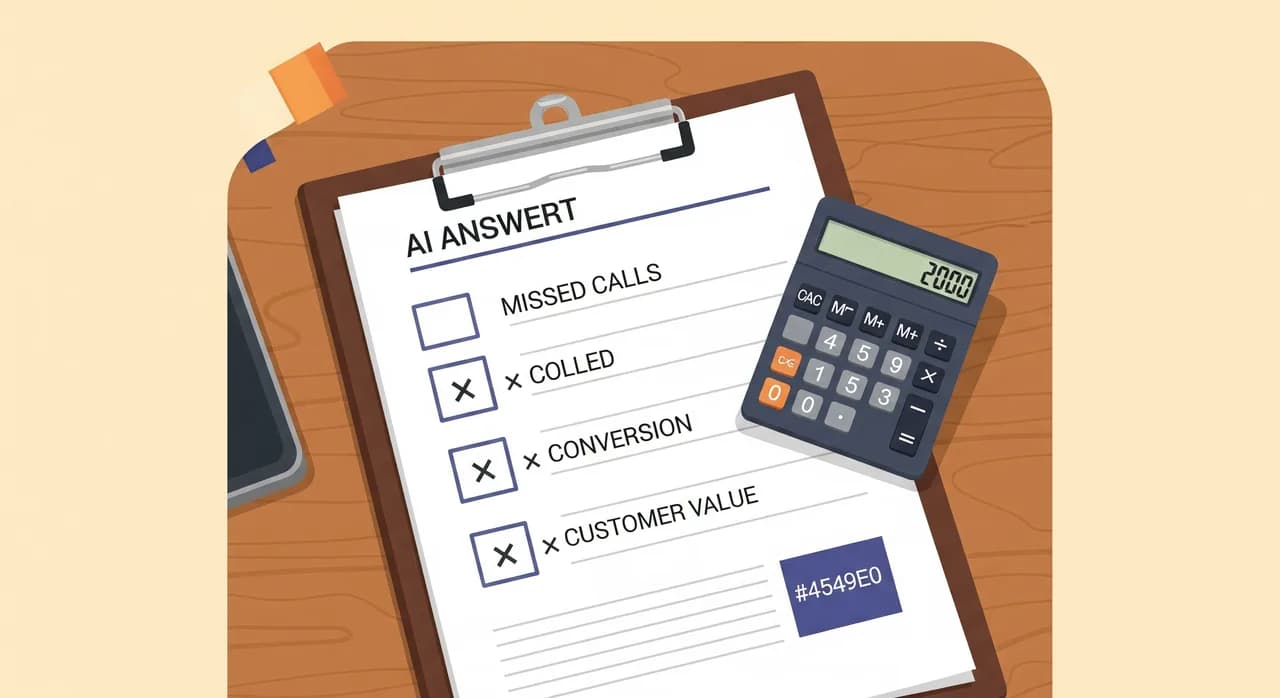
Váš desaťminútový pracovný hárok
Vezmite si výpis hovorov a vyplňte päť riadkov. Pri každom buďte konzervatívni — obhájiteľné malé číslo je lepšie než vzrušujúce číslo, ktorému v kútiku duše neveríte.
- 1Spočítajte zmeškané hovory za minulý mesiacNezodvihnuté + dozvonené do prázdna + hlasová schránka bez odkazu, zo skutočného výpisu hovorov. Nie odhad.
- 2Odhadnite podiel hovorov, ktoré by sa premenili na zákazkuZ hovorov, ktoré zodvihnete, aká časť skončí ako platiaci zákazník? Polovica je bežný východiskový bod; upravte podľa svojej reality.
- 3Odhadnite podiel tých, čo už nezavolajúAko súrna je vaša služba a ako veľmi ľudia porovnávajú? Havarijné remeslá: rátajte s väčšinou. Verná, špecializovaná klientela: rátajte s menším podielom.
- 4Stanovte priemernú hodnotu zákazníkaHodnota prvej transakcie pre konzervatívne číslo; celoživotná hodnota pre to úprimné.
- 5Všetky štyri čísla vynásobteZmeškané × podiel konverzií × podiel tých, čo už nezavolajú × hodnota = vaša mesačná diera. Vynásobte dvanástimi a máte ročné číslo, ktoré vás naozaj zaujme.
| Typ podniku | Zmeškané/mes. | Hodnota | Približná mesačná diera* |
|---|---|---|---|
| Kaderníctvo | 15 | £40 | ~£180 |
| Samostatný inštalatér | 22 | £180 | ~£1 300 |
| Zubná ambulancia | 18 | £120 | ~£710 |
| Firma na domáce služby | 30 | £250 | ~£2 500 |
*Pri 50 % podiele hovorov, ktoré by sa boli premenili, a zhruba 65 % tých, čo už nezavolajú. Sú to ilustračné čísla — celá pointa je spočítať si vlastné, nie požičať si naše.
Náklady, ktoré sa do vzorca nezmestia
Výpočet tržieb je hlavný titulok, ale podhodnocuje. Niekoľko skutočných nákladov sa do úhľadného násobenia nikdy nedostane — a tie, čo sa doň zmestia, ešte znásobujú.
- Vyhodené peniaze za marketing. Každý nezodvihnutý hovor z reklamy, ktorú ste zaplatili, sú peniaze minuté na lead, ktorý ste potom pustili na zem. Zvonenie ste si kúpili; odpoveď ste hodili do koša.
- Erózia reputácie. Ľudia čoraz častejšie píšu recenzie o tom, že sa do firmy nedá dovolať. „Volal som trikrát, nikto to nezdvihol“ napácha skutočné a trvalé škody — a ako stratený predaj sa nikde ani neukáže.
- Strata odporúčaní. Zákazník, s ktorým ste nikdy nehovorili, vás nemôže odporučiť susedovi, takže jediný zmeškaný hovor potichu odreže celú malú vetvu budúceho biznisu.
- Stres a vyrušovanie majiteľa. Alternatívou k zmeškaným hovorom je často dvíhanie uprostred práce, čo trhá sústredenie a naťahuje presne tie zákazky, ktoré sa snažíte dokončiť.
“Nevyberáte si medzi zdvihnúť a nezdvihnúť. Vyberáte si medzi stratou hovoru a stratou sústredenia.”
Čo majitelia zvyčajne skúšajú (a kde to zlyháva)
Keď vám to číslo dôjde, prvý inštinkt je napraviť to. Väčšina očividných riešení funguje len čiastočne — a to sa oplatí priznať si skôr, než miniete peniaze.
Hlasová schránka. Lepšie než nič, ale prenáša prácu na volajúceho — a pri súrnych remeslách ju volajúci robiť nebude. Jednoducho vytočí ďalšie číslo. Hlasová schránka je miesto, kam zmeškané hovory chodia byť zdvorilo ignorované.
Dvíhať telefón sám, vždy. Funguje, kým nemáte veľa práce — a práve vtedy prichádza najviac hovorov. Znamená to tiež prerušovať platenú prácu kvôli hovoru, ktorý môže byť dodávateľ alebo omyl, takže za každý skutočný lead platíte vlastným sústredením.
Zamestnať alebo outsourcovať recepciu. Účinné a niekedy aj správne riešenie, ale je to reálny fixný náklad s reálnym stropom hodín. Recepčná na polovičný úväzok nepokryje nedeľu o ôsmej večer — a spomeňte si na svoje časy — presne vtedy hovory po zatváracej hodine často prichádzajú.
Kam do výpočtu zapadá AI telefónny asistent
Presne pre túto medzeru vznikol Vunoon. AI telefónny asistent zodvihne každý hovor — cez obed, keď ste pod drezom, aj v nedeľu o ôsmej večer — takže dva najväčšie vstupy vášho vzorca (zmeškané hovory a podiel tých, čo už nezavolajú) klesajú k nule. Volajúceho privíta, odpovedá na otázky podľa profilu, ktorý si nastavíte (vaše služby, otváracie hodiny a ceny, ktoré ste sa rozhodli zdieľať), prijme rezerváciu alebo odkaz a z každého rozhovoru vám pošle prehľadné zhrnutie s prepisom.
Je úprimný v tom, čím je. Keď sa volajúci opýta, nepredstiera, že je človek, a elegantne odovzdá štafetu — vezme odkaz alebo dohodne spätné zavolanie pri všetkom, čo riešiť nemá. Nebude dávať lekárske ani právne rady a nenahradí úsudok vášho tímu pri zložitých zákazkách. Čo spoľahlivo robí, je to, že hovor je zodvihnutý, a nie len spočítaný — čo je presne tá bitka, ktorú váš hárok práve zmeral.
Nastavenie zvládnete sami a trvá pár minút: zaregistrujete sa, v krátkom sprievodcovi opíšete svoju firmu a potom sa s ním naozaj porozprávate, aby ste si overili, že znie správne, skôr než presmerujete číslo. Funguje vo viac ako 25 jazykoch, čím potichu zachráni ďalšiu vrstvu volajúcich, ktorých by ste inak stratili — tých, čo zložia, lebo uvítanie nebolo v jazyku, v ktorom sa cítia pohodlne.
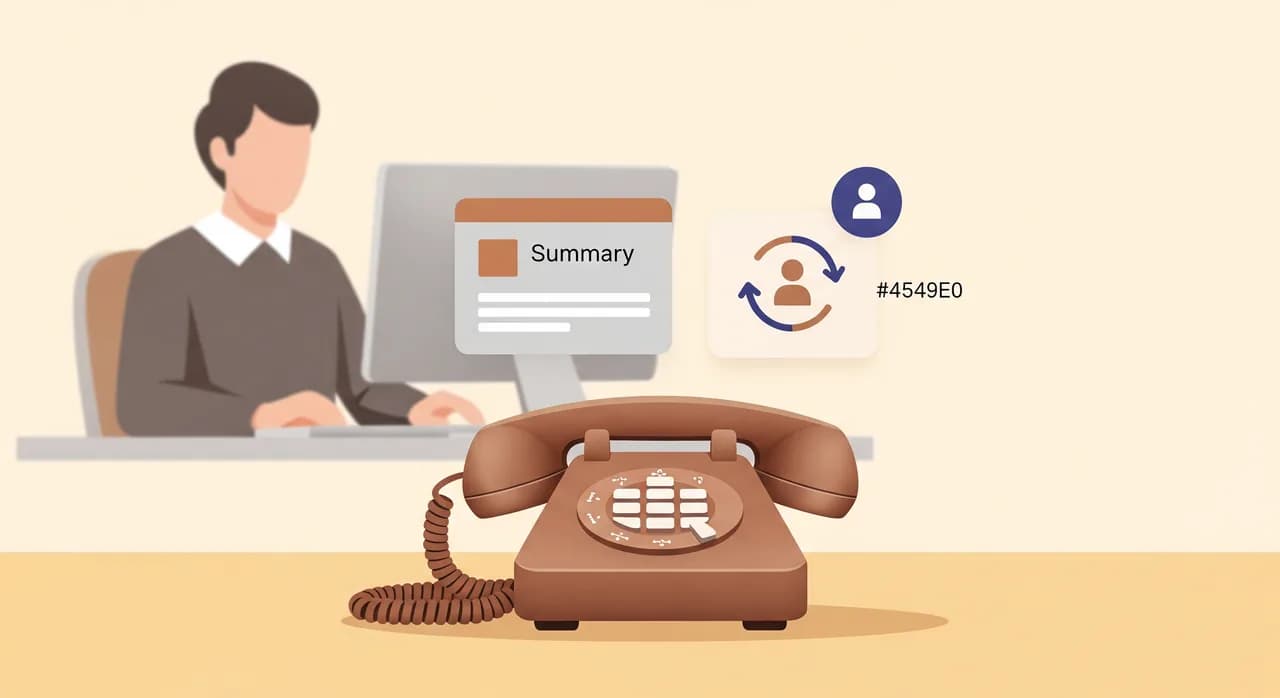
Ako to posúdiť? Jednoducho — a číslo už máte. Vezmite mesačnú dieru z hárka. Ak zachytenie hoci len časti tých hovorov pokryje náklady na ich zdvíhanie, rozhodnutie sa spraví samo. Také porovnanie však viete urobiť, až keď prestanete hádať — preto je hárok prvý a nástroj druhý.
Ako z čísla urobiť rozhodnutie
Číslo na papieri nič nespraví, kým ho nepoužijete. Urobte teda tento týždeň jednu z dvoch vecí. Ak je vaša diera malá — hŕstka hovorov s nízkou hodnotou, z ktorých väčšina zavolá znova — gratulujeme, môžete sa prestať trápiť telefónom a energiu venovať inam. To je naozaj užitočný výsledok; nie každá firma má problém so zmeškanými hovormi, ktorý stojí za riešenie.
Ak je diera výrazná, prispôsobte riešenie tomu, kedy sa hovory hromadia. Prevažne po zatváracej hodine? Potrebujete pokrytie, keď máte zatvorené. Prevažne v špičke? Potrebujete záchytnú sieť na hovory, keď ste uprostred práce. Oba vzorce vedú k rovnakému záveru: hovory musia byť zodvihnuté v momente, keď prídu, pretože volajúci čakať nebude. Nech si vyberiete čokoľvek, vyberajte podľa vlastného čísla — nie podľa strašidelnej štatistiky ani nádejného odhadu.
Koľko hovorov zmešká typická malá firma?
Koľko v skutočnosti stojí jeden zmeškaný hovor?
Nezavolá mi väčšina ľudí znova, keď hovor zmeškám?
Stačí na to hlasová schránka?
Čím sa AI asistent líši od telefonickej služby?
Prestaňte zmeškané hovory počítať. Začnite ich zdvíhať.
Počty máte za sebou — teraz sa pozrite, ako vyzerá, keď tie hovory niekto zachytí. Vunoon zodvihne každý hovor, 24/7, a z každého vám pošle zhrnutie. Nastavíte ho za pár minút a otestujete skôr, než presmerujete svoje číslo.
Pozrite sa, ako Vunoon nezmešká žiadny hovor
Vunoon vyvíja AI telefónneho asistenta, ktorý prijíma hovory vašej firmy nonstop — objednáva termíny, odpovedá na bežné otázky a posiela vám zhrnutie každého hovoru.