Pre-trained for your trade
It doesn't start from a blank page. It already knows how your callers talk, what they're phoning about, and how to turn that call into a booking.

Dentists
The front desk juggles patients at the counter and the ringing phone — someone always waits.
How it books patient appointments
Medical practices
Peak-hour call storms that no front desk can physically answer.
How it handles patient calls
Veterinarians
Emergency calls about a sick pet arrive nights and weekends.
How it triages pet emergencies
Physiotherapy
Therapists can't answer the phone mid-treatment — and miss new patient calls.
How it fills cancelled slots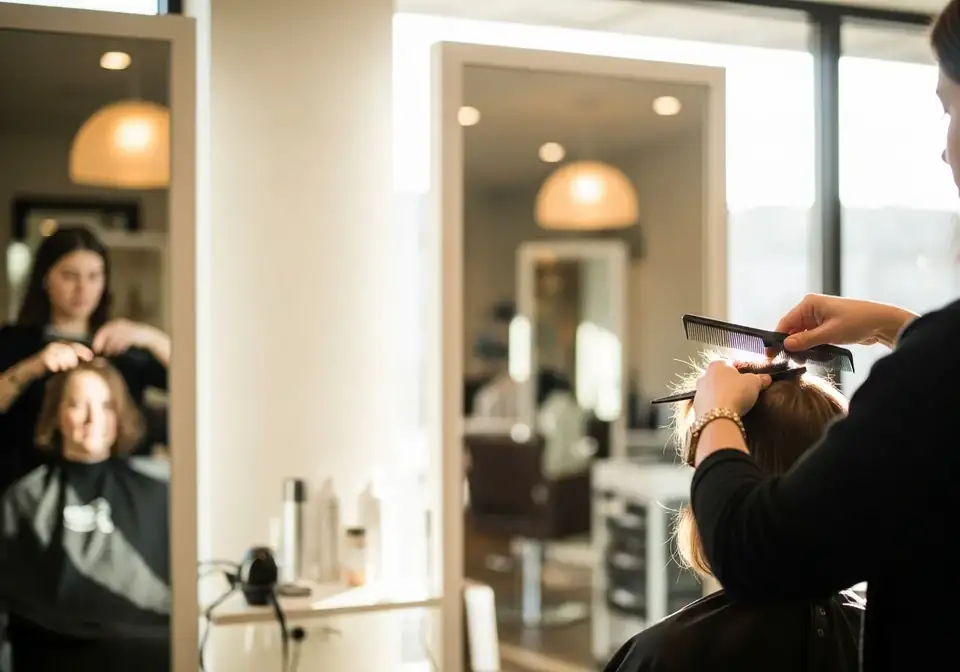
Hair salons
Answering mid-cut means interrupting the client in your chair.
How it books the chair
Beauty salons
Gloves on, client in front of you — the ringing phone is pure stress.
How it manages your bookings
Restaurants
During service nobody can take reservation calls — exactly when most of them come.
How it takes table reservations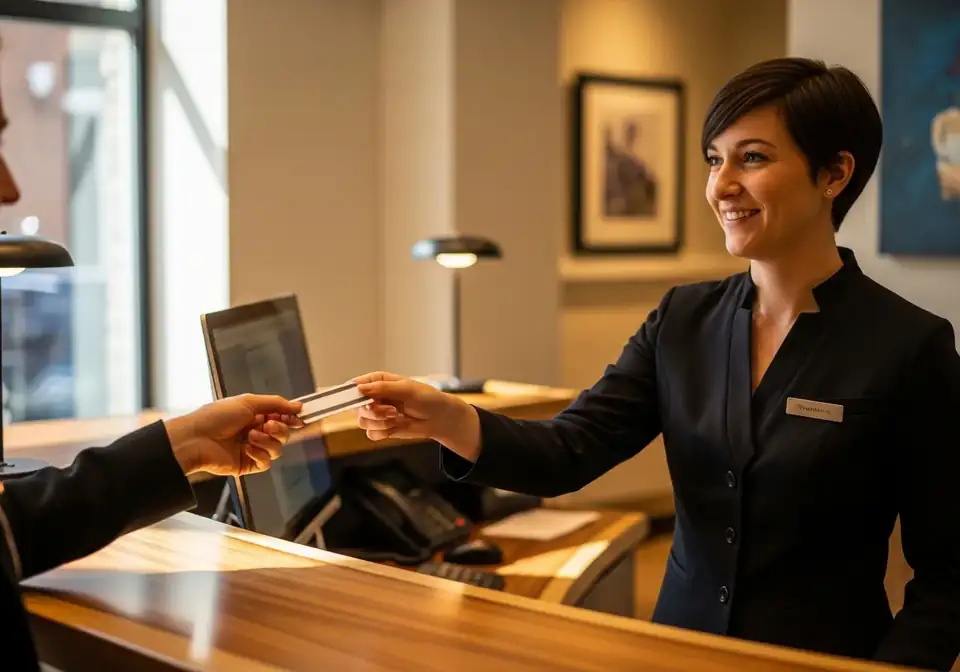
Hotels
Night and early-morning booking calls go unanswered.
How it handles room bookings
Vacation rentals
You manage rentals next to a full-time job — calls come at the worst times.
How it answers guest questions
Car repair shops
Mechanics interrupt work to answer 'is my car ready?' calls.
How it schedules repairs
Law firms
Partners interrupt billable work for calls that a form could have answered.
How it qualifies new clients
Real estate
Calls about listings flood in after every new ad — all at once.
How it books viewings
Fitness studios
Front desk juggles check-ins, shakes and the ringing phone.
How it signs up new members
Driving schools
Instructors are in lessons all day; the office phone rings into the void.
How it enrolls students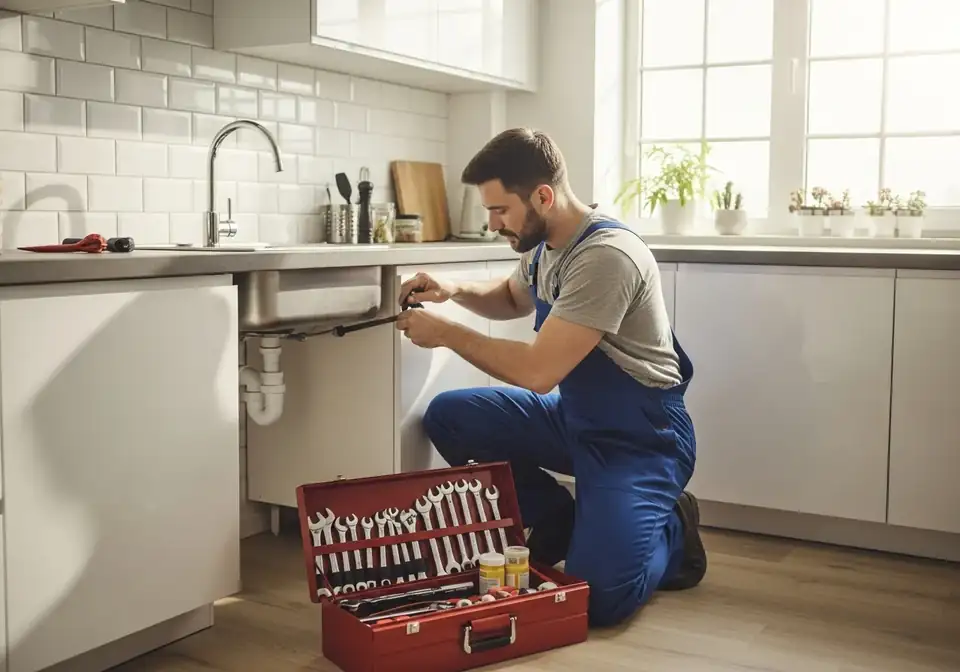
Home services
On-site work means missed calls — and missed calls mean missed jobs.
How it handles call-outs
Insurance brokers
Claims calls need details — taken correctly the first time.
How it takes claims 24/7Every industry answers the phone differently
A caller ringing a dental practice and a caller ringing a restaurant want completely different things — and judge you in completely different ways. The dental patient is often in pain, anxious, and needs to know whether they can be seen today. The diner just wants a table for four at seven and will hang up and call the next place if they reach voicemail. Treating both with the same generic script is how good leads quietly slip away.
The questions are predictable, but they're never the same
Inside any one business, the same handful of calls repeat all day: a booking, a price question, an opening-hours check, a "can you fit me in this week". The wording is familiar, the urgency is familiar, the objections are familiar. That predictability is exactly why a pre-trained AI receptionist works so well — it has already heard how your callers phrase things and knows which answer actually moves the conversation forward. Across industries, though, that script changes completely, which is why a one-size-fits-all answering service so often feels robotic and off-key.
What counts as a "good call" changes by trade
For a law firm, a good call means qualifying the matter, capturing the details cleanly, and never giving anything that sounds like advice. For a hair salon, it means filling the chair — knowing which stylist, which service, how long it takes. For a hotel, it's reservations, late check-ins and the small requests that turn a stay into a return visit. The virtual receptionist that wins for each of them is the one that already understands the trade, not one that has to be taught from scratch.
Urgency and tone aren't optional details
An emergency plumbing call and a routine quote request should not be handled the same way, and the caller can tell within seconds whether they're being heard. The right assistant reads the difference — escalating the burst pipe to a real person while calmly booking the quote — and matches the warmth your customers expect from your kind of business. Pick your industry below to see how the assistant is set up for it.
How to tell if your business is quietly losing calls
Most owners have no idea how many callers never reach them, because a missed call leaves no trace — there's no angry email, no complaint, just silence and a competitor who picked up. Before you decide whether an AI phone assistant is worth it, it's worth reading the signs honestly. Here's what tends to be true in businesses that are leaking calls without realising it.
- 01
Your voicemail is full and nobody calls back
If you check voicemail at the end of a long day and find three messages from people who needed an answer hours ago, assume most callers didn't bother leaving one at all. Modern callers rarely speak to a machine; they hang up and dial the next name on the list. An after-hours answering service exists precisely because that drop-off is invisible until you measure it.
- 02
The phone rings while you're with a paying customer
The most expensive calls arrive at the worst moments — mid-treatment, mid-service, hands full. You either abandon the person in front of you or let it ring, and both choices cost you. When the busiest hours are also the hours you can least afford to answer, the calls you miss are the ones most likely to have bought something.
- 03
Half your calls land outside opening hours
People research and book in the evening, on the weekend, on their commute. If your line goes dark the moment you lock the door, you're handing that entire window to whoever does pick up. Pull your call log and look at the timestamps — the after-hours share surprises almost everyone.
- 04
You recognise the same questions but never the same answer
Opening hours, prices, "do you do this", "can I come in today" — if your team answers the same five questions all day and still sounds rushed by closing, those calls are eating the time you should spend on the work itself. Routine questions are exactly what a virtual receptionist takes off your plate, consistently and without fatigue.
If two or more of these sound like your week, you're almost certainly losing calls you never see. The fix isn't to answer faster — it's to make sure every call gets answered in the first place. Find your industry above and see how the assistant is already set up for the way your callers talk.
Appointment-based, walk-in, or emergency — call handling isn't one job
Two businesses can field the same volume of calls and still need a completely different receptionist. What separates them isn't size or industry label — it's the shape of the call itself. Before you judge whether an AI phone assistant fits your trade, it helps to know which of these three patterns your phone actually follows, because the right setup looks different for each.
Appointment-based businesses: the call IS the booking
For a dental practice, a law firm, a salon or a clinic, the phone call and the calendar are the same thing. The whole point of answering is to put the right person in the right slot, and a missed call is a missed appointment that may never come back. Here the assistant has to do real work mid-conversation: check what's open, understand that a new-patient exam takes longer than a recall, know which lawyer handles family matters versus property, and confirm the booking out loud so the caller hangs up certain it happened.
The hard part is rarely the booking itself — it's the negotiation around it. "Do you have anything sooner?" "Can it be after five?" "Is Dr. Lewis available that week?" A good virtual receptionist treats the calendar as a live thing to be searched and offered against, not a form to be filled, and it captures the details cleanly enough that nobody has to phone back to confirm.
Walk-in and high-volume businesses: speed and accuracy beat depth
A restaurant, a hotel front desk, a busy auto shop or a retail counter lives by a different rule. Callers want a fast, correct answer — is there a table at seven, do you have my size, when do you close — and they will hang up and dial the next name on the list the instant they hit voicemail. Depth matters less than throughput: the assistant has to handle a flood of short, repetitive calls without dropping any, answer the predictable questions instantly, and only flag the unusual one for a human.
The danger for these businesses is the busy hour, when the phone rings hardest precisely when the team is least free to answer. An AI answering service earns its place here by absorbing that overflow — taking the reservation, quoting the price, confirming the hours — so the calls that would otherwise ring out turn into customers instead of hang-ups.
Emergency and on-call businesses: triage is everything
Plumbers, locksmiths, HVAC, property managers and any trade with an out-of-hours line face the highest stakes of all, because the caller is often stressed and the cost of mishandling is real. The job isn't to book a tidy appointment — it's to triage. A burst pipe at midnight is not a Tuesday quote request, and the assistant has to tell them apart in seconds: escalate the genuine emergency to a real person on call, while calmly logging the routine job for the morning.
Get the triage right and the after-hours line stops being a liability and starts protecting both your customers and your sleep. Get it wrong and you either wake the on-call tech for nothing or, far worse, leave a real emergency sitting in a voicemail box. This is the pattern where matching tone and judgement to the moment matters most — and where a generic answering service tends to fail loudest.
Most businesses are mainly one of these three, with a touch of another — a salon that takes the odd walk-in, a hotel that handles the occasional emergency. The point of choosing your industry below is simply this: the assistant is already set up for the pattern your phone actually follows, instead of a generic script that treats every call the same.
Don't take our word for it — talk to it
Type your number, pick one of 28 languages, and the assistant rings you back. Throw whatever a real customer would at it.
- 28 languages spoken
- Free to try · No credit card · Cancel anytime
Testați acum în direct
Gratuit și fără obligații
Introduceți numărul dumneavoastră — vă pregătim demonstrația personală în direct, iar asistentul vă sună. Vorbiți cu el ca și cum ar fi deja asistentul dumneavoastră.
Vă rugăm cu prefixul țării, de ex. +40, +44, +49 …
Fără nicio obligație — vă contactăm doar pentru a vă pregăti apelul de test.
Try it on your own number — free
Set it up in minutes, or hear a live demo call first. No credit card.