AI recepční vs. IVR: život za telefonním menu „stiskněte 1“
Telefonní menu bylo chytrým řešením problému z osmdesátých let. Tady se dozvíte, kdy nad ním AI recepční vítězí, kdy má menu stále navrch a jak poznat, co vaši volající vlastně potřebují.
 Vunoon13 min čtení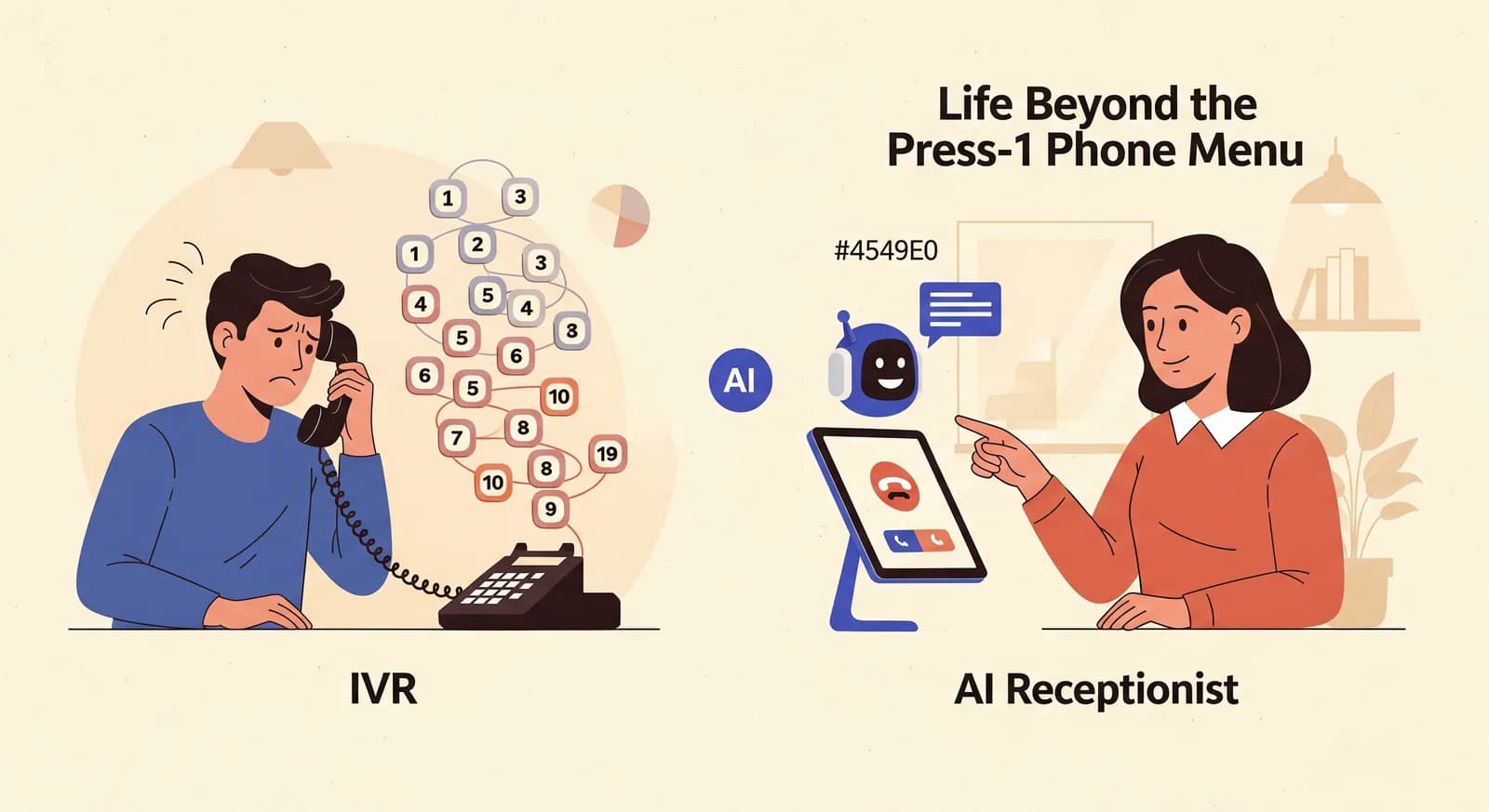
Nikdo ještě nikdy nezavěsil telefon s pocitem: „To bylo ale rozkošné menu.“ A přesto stromové menu „stiskněte 1“ řídí firemní linky po celém světě už čtyřicet let. Otázka nezní, jestli ho volající nesnášejí — nesnášejí — ale jestli je věc, která ho má nahradit, tedy AI recepční, opravdu lepší zrovna pro váš telefon. Někdy ano. Někdy, upřímně řečeno, ne.
Co IVR a AI recepční ve skutečnosti jsou
Než je začneme srovnávat, měli bychom být přesní, protože marketing oba pojmy zamlžil. IVR je zkratka pro Interactive Voice Response — nahrané menu, které říká „Pro obchod stiskněte 1, pro podporu stiskněte 2.“ Procházíte jím ťukáním na klávesnici (to je DTMF, tóny, které váš telefon vydává), nebo v propracovanějších verzích tak, že vyslovíte klíčové slovo z pevného seznamu. V jádru je to rozhodovací strom. Každou cestu předem nakreslil ten, kdo ho postavil, a jediným úkolem volajícího je najít větev, která odpovídá jeho problému.
AI recepční je jiná zvěř. Ozve se pozdravem, vyslechne, co volající říká vlastními slovy, a odpoví — čerpá z toho, co ví o vaší firmě, aby zodpověděla dotazy, přijala rezervaci nebo vám nechala vzkaz. Není žádné menu, které by bylo třeba si pamatovat, protože žádné menu neexistuje. Volající mluví; ona naslouchá a odpovídá. Vunoon je právě tento druhý typ: zvedne to, pochopí požadavek, pracuje podle profilu, který nastavíte, a poté vám pošle shrnutí a přepis.
Ten rozdíl je důležitější, než by se zdálo. IVR žádá volajícího, aby svou neuspořádanou lidskou potřebu přeložil do vašich rigidních kategorií. AI recepční si tento překlad udělá sama. Právě z tohoto jediného rozdílu pramení téměř každá výhoda i každý kompromis.
Proč telefonní menu frustruje lidi, kteří vám volají
Vzpomeňte si, kdy jste naposledy volali do nějaké firmy a narazili na menu. Ta frustrace není náhodná; pramení z hrstky strukturálních vad, které nespraví sebevětší přenahrání úvodního pozdravu.
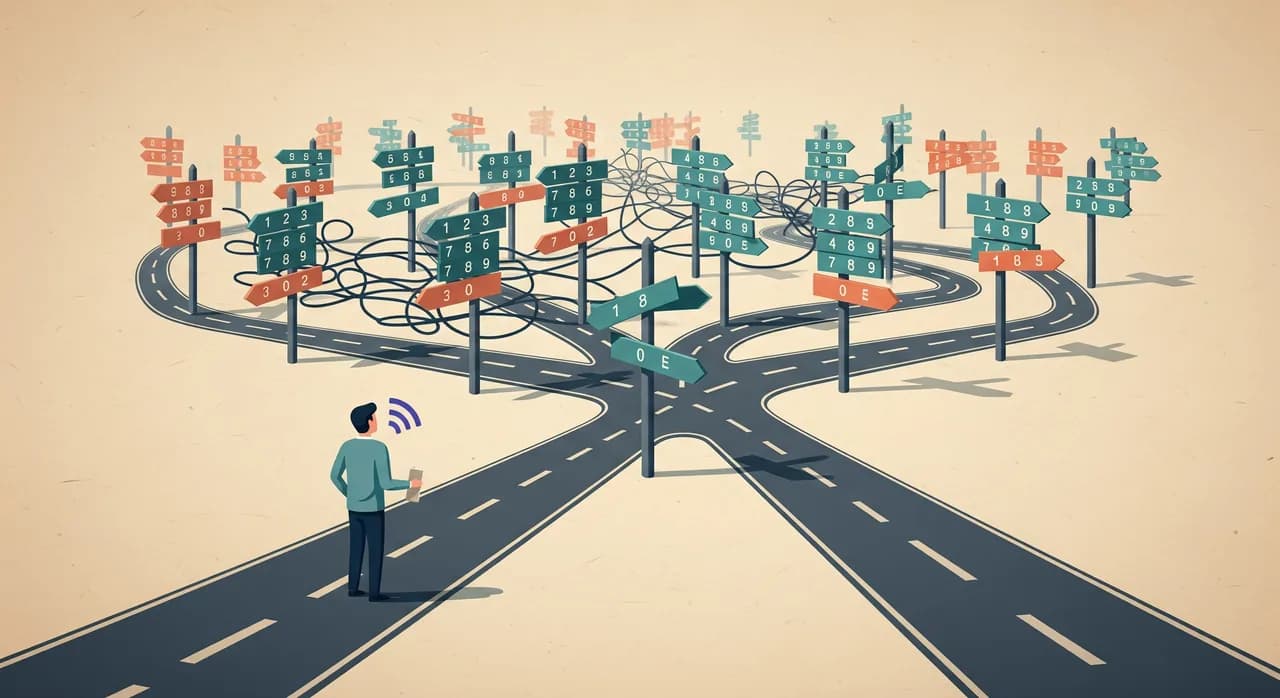
Volající musí znát vaši organizační strukturu. Menu nutí lidi hádat, které oddělení má na starosti jejich problém. „Pro fakturaci stiskněte 2, pro účty stiskněte 3“ — kam patří moje faktura po splatnosti? Volající nezná vaše vnitřní hranice a ani by neměl muset. Tak tipuje, ocitne se na špatném místě a buď čeká na přepojení, nebo zavěsí a začíná znovu.
Menu je lineární a paměť je krátká. Než nahrávka dojde k „stiskněte 5“, většina lidí už zapomněla, co byly dvojka a trojka. Hluboké stromy — menu, které vede k dalšímu menu, jež vede ke třetímu — jsou místem, kde to volající tiše vzdávají. Každá vrstva odbourá lidi, kteří usoudí, že bude jednodušší tam zajet osobně nebo zavolat konkurenci.
Málokdy tam je volba pro to, co skutečně chcete. Menu bylo napsáno pro deset nejčastějších hovorů. Ten váš je jedenáctý. Tak mačkáte nulu v naději, že znamená „člověk“, a ona vám v polovině případů jen zopakuje menu jako zarputilý papoušek.
Nic z toho není vina toho, kdo vaše menu postavil. Řešil skutečný problém — nasměrovat spoustu hovorů do několika oddělení, aniž by se každého dotýkal člověk — jediným nástrojem, který existoval. Menu na klávesnici bylo opravdu chytrou odpovědí na omezení osmdesátých let. Změnilo se to omezení.
“IVR žádá volajícího, aby svou neuspořádanou lidskou potřebu přeložil do vašich rigidních kategorií. AI recepční ten překlad udělá za něj.”
Jaký rozdíl dělá otevřená konverzace
Tady je stejný hovor ve dvou podobách. Volající zavolá v úterý večer do kadeřnictví. Chce přesunout čtvrteční termín barvení na příští týden a zajímá ho, jestli se od minule změnila cena.
V menu: „Pro nové rezervace stiskněte 1, pro stávající termíny stiskněte 2, pro otevírací dobu a adresu stiskněte 3, pro všechny ostatní dotazy stiskněte 4.“ Volající chce změnit termín a zeptat se na cenu. To jsou dvě větve. Zvolí dvojku, řeknou mu, ať vydrží na lince, a dotaz na cenu prostě… zanikne, protože pro něj žádná větev nebyla.
S AI recepční: „Dobrý den, děkujeme za zavolání — jak vám mohu pomoci?“ Volající řekne všechno na jeden nádech: přesunout čtvrteční barvení a změnila se cena? Ona vyřeší přesun podle kalendáře, odpoví na dotaz o ceně podle profilu, který majitelka nastavila, a majitelce vhodí poznámku do schránky. Jeden hovor, jedna konverzace, žádná zvolená větev, protože žádné větve nebyly.
To je ten hlavní rozdíl. Menu má tvar vaší firmy — je uspořádané kolem vašich oddělení a procesů. Dobrá AI recepční má tvar volajícího — vychází z toho, co člověk potřebuje, a zpětně se propracuje k vaší firmě. Volající se nikdy nemusí učit, jak jste uspořádaní.
- Složené požadavky — „tohle zruš a támhleto zarezervuj“ — se vyřídí najednou, místo aby vynutily druhý hovor.
- Jedenáctý hovor — ten neobvyklý, který vaše menu nikdy nepředvídalo — dostane skutečnou odpověď nebo pořádný vzkaz místo slepé uličky.
- Žádné pamatování — volající mluví jako první, takže nemá co držet v hlavě, zatímco huhňá nahrávka.
- Ticho zvládá s grácií — když něco udělat nemůže, řekne to, nabídne se, že vezme vzkaz nebo že zavoláte zpět, a když se ho zeptáte, nepředstírá, že je člověk.
Kde skromné telefonní menu stále vítězí
Tuhle část většina článků ve stylu „zabijte IVR“ vynechává, a právě jejím vynecháním nakonec nahradíte něco, co si tiše dělalo svou práci. Menu má v pár konkrétních situacích stále smysl a stojí za to být k nim upřímný.
Vysokoobjemové, opravdu jednoduché směrování. Pokud provozujete call centrum, kde se 100 000 hovorů měsíčně čistě rozdělí do čtyř přihrádek — a volající už vědí, do které přihrádky patří — je menu rychlé, předvídatelné a při takovém objemu levné. „Pokud jste stávající pojistník, stiskněte 1“ funguje, protože rozdělení je jednoznačné a volající zná odpověď okamžitě.
Compliance a pevné scénáře. Některé regulované postupy vyžadují přesnou, neměnnou sekvenci — vyslovené poučení, nahraný souhlas, zákonem předepsané upozornění. Deterministické menu, které pokaždé přehraje stejná slova, se snadno kontroluje. Předvídatelnost je tady předností, ne chybou.
Čistá samoobsluha přes číslo. „Zadejte číslo účtu a poté stiskněte křížek“, abyste si poslechli zůstatek, je úkol, ne konverzace. Když je interakce opravdu jen data dovnitř, data ven — zkontrolovat zůstatek, potvrdit okno dodání, obnovit opakovaný recept podle ID — je klávesnice často rychlejší než mluvení a bezvadně funguje i v hlučné místnosti.
Nouzové situace s jedinou správnou odpovědí. „Pokud se jedná o zdravotní pohotovost, zavěste a vytočte místní tísňovou linku“ patří úplně nahoru, řečeno jasně, pokaždé. Tam žádné nuance nechcete. Chcete stejných jedenáct slov, okamžitě.
Proč je počet u malé firmy jiný
Argument pro telefonní menu byl vždy nejsilnější při velkém objemu. Pokud máte dvanáct lidí, kteří obsazují čtyři oddělení, efektivní směrování ke správnému stolu šetří skutečné peníze. Ale většina malých firem čtyři oddělení nemá. Mají jednoho majitele, možná pár zaměstnanců, a telefon, který zvoní, zatímco jsou už všichni zaneprázdněni člověkem před sebou.
V takovém světě menu řeší problém, který nemáte. Není žádné oddělení, kam směrovat — jste tu vy. Co doopravdy potřebujete, je, aby byl hovor zvednut: dotaz zodpovězen, termín zarezervován, vzkaz vzat, aby volající neodtekl k dalšímu výsledku ve svém vyhledávání. Nic z toho menu neumí. Umí jen třídit. A s jediným cílem je třídění zbytečné.

Uvažte tu aritmetiku, aniž bychom si vymýšleli přesné statistiky. Představte si dvoukřeslový salon, který zmešká řekněme deset hovorů týdně, protože jsou všichni uprostřed zákroku. Kdyby si jen pár z těch volajících rezervovalo, a každá rezervace má hodnotu jedné návštěvy plus těch, co následují, náklady na „telefon jen odzvonil“ se za rok rychle nasčítají. Menu by ty hovory nezachránilo; na druhém konci taky nikdo nebyl. Něco, co skutečně zvedne a zarezervuje, je kategoricky jiný nástroj.
Také stojí za to říct to na rovinu: pro mnoho malých firem není skutečnou konkurencí AI recepční žádné vymakané menu. Je to hlasová schránka nebo telefon, který prostě odzvoní. Ve srovnání s tím je debata konverzace versus menu skoro akademická — cokoli, co se ozve, je lepší než nic, co se neozve.
Jak si vybrat: stručný rozhodovací návod
Nepotřebujete tabulku. Projděte si upřímně vlastní telefon a odpověď obvykle vypadne sama. Začněte hovory, které skutečně dostáváte.
- 1Sepište pět svých nejčastějších hovorůZapište si, kvůli čemu lidé tento týden opravdu volají. Rezervace? Ceny? Otevírací doba? Přesouvání termínů? Konkrétní dotaz na službu? Pokud jsou čtyři z pěti různorodé dotazy a požadavky, menu je nezvládne — umí jen ukázat jinam.
- 2Spočítejte své skutečné cíleKolik opravdu odlišných míst by mohl hovor skončit? Pokud je upřímná odpověď „jedno — u mě“, je směrování řešením problému, který nemáte. Pokud je to „čtyři jasně oddělené týmy“, menu si na sebe vydělá.
- 3Zeptejte se, jestli volající znají vaši strukturuVědí lidé, kteří vám volají, už dopředu, které oddělení nebo volbu potřebují? Stávající pojistníci obvykle ano. Někdo, kdo si ve 21 hodin googlí „nouzový instalatér v okolí“, ne.
- 4Zvažte cenu zmeškaného hovoruPokud je zmeškaný hovor ztracený prodej za skutečné peníze, chcete něco, co se ozve a zachytí rezervaci, ne něco, co třídí. Pokud jsou zmeškané hovory levné a vzácné, je tlak menší.
- 5Rozhodněte, co se děje mimo pracovní dobuMenu směruje do zavřených kanceláří; volající po pracovní době stejně narazí na zeď. AI recepční se může ozvat v 23 hodin, přijmout rezervaci a mít ji pro vás připravenou v 8 ráno. Pokud spousta vašich hovorů přichází mimo pracovní dobu, často to samo rozhodne.
| IVR telefonní menu | AI recepční | |
|---|---|---|
| Jak volající interaguje | Mačká klávesy nebo vybírá z pevného seznamu slov | Mluví přirozeně vlastními slovy |
| Zvládne nečekaný hovor | Ne — spadne ze stromu nebo zopakuje menu | Ano — odpoví nebo vezme pořádný vzkaz |
| Složené požadavky | Jedna větev po druhé; zbytek se ztratí | Vyřídí se společně v jedné konverzaci |
| Nejlepší v čem | Vysokoobjemové směrování k několika jasným týmům | Zvedání, rezervace a vzkazy u různorodých hovorů |
| Mimo pracovní dobu | Směruje do zavřené kanceláře | Skutečně se ozve a zachytí požadavek |
| Slabé místo | Volající musí znát vaši organizační strukturu | Není nástroj pro čistou klávesovou samoobsluhu |
Nemusíte si vždy vybrat jen jedno
Rámování „AI versus IVR“ zní jako zápas v kleci. V praxi ta nejchytřejší řešení obě věci často kombinují. Můžete si úplně nahoře ponechat jedinou prostou linku pro to, co musí být deterministické — „pokud jde o nouzi, vytočte místní tísňovou linku“ — a všechno ostatní pak nechat na AI recepční.
Větší provoz si možná ponechá tenké směrovací menu pro dvě opravdu oddělené firmy pod jedním číslem a každou větev pak předá konverzačnímu asistentovi místo fronty. Nejde o to být puristou. Jde o to používat menu jen tam, kde jeho předvídatelnost opravdu stojí za tření, a nechat otevřenou konverzaci nést zbytek — což je u většiny malých firem téměř všechno.
Jak nahrazení menu ve skutečnosti vypadá
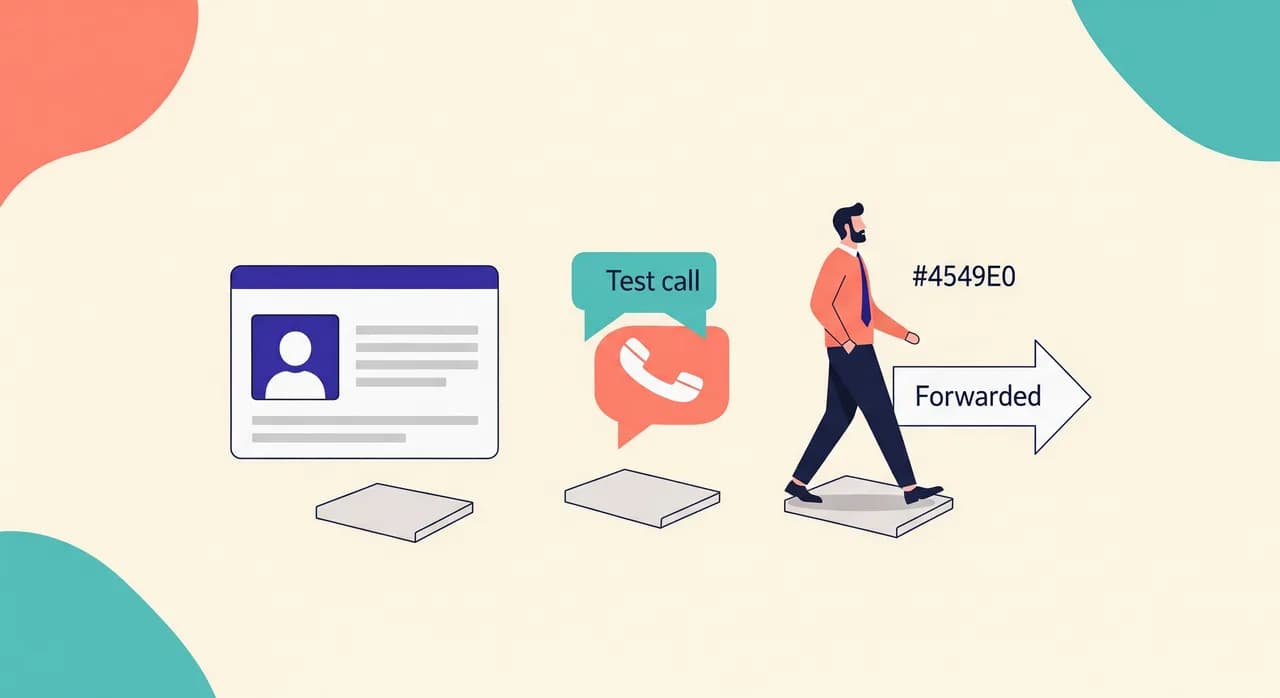
Jeden z důvodů, proč se lidé menu drží, je setrvačnost — pocit, že cokoli jiného znamená projekt telefonního systému s konzultantem a tříměsíčním harmonogramem. Nemusí to tak být. S Vunoon je přechod svépomocný a rychlý: zaregistrujete se, popíšete svou firmu v krátkém průvodci (vaše služby, otevírací dobu, ceny a odpovědi, které má dávat) a pak si to vyzkoušíte tak, že s tím jednoduše promluvíte po telefonu, dřív než kdokoli jiný.
Až to bude znít správně, přesměrujete na to své číslo — pořád, jen mimo pracovní dobu, nebo jen když je vaše vlastní linka obsazená, jak vám to vyhovuje. Od té chvíle zdraví volající, odpovídá podle vašeho profilu, přijímá rezervace a vzkazy a posílá vám shrnutí a přepis každého hovoru. Funguje ve více než 25 jazycích, takže volající, který uprostřed věty přejde do jiného jazyka, neuvízne u „pro češtinu stiskněte 1“.
A abychom byli k mezím upřímní, protože na nich stojí důvěra: AI recepční není správný nástroj na každou práci. Nebude dávat lékařské ani právní rady, nevymyslí si odpovědi, které jste jí nikdy nedali, a nebude předstírat, že je člověk, když se volající zeptá naplno. Pro čistou klávesovou samoobsluhu — zadejte číslo účtu, ať slyšíte zůstatek — je menu pořád jednodušší. To, že víte, kam se nehodí, je přesně to, jak poznáte, že se hodí všude jinde.
“Menu má tvar vaší firmy, uspořádané kolem vašich oddělení. Dobrá AI recepční má tvar volajícího — vychází z toho, co člověk potřebuje.”
Je AI recepční jen chytřejší IVR telefonní menu?
Jsou teď telefonní menu úplně zastaralá?
Můžu si nechat jednoduché menu a přidat AI recepční?
Poznají volající, že nemluví s člověkem?
Jak dlouho trvá přejít z menu na AI recepční?
Zjistěte, co uslyší vaši volající, když menu zmizí
Porovnejte otevřenou konverzaci se svým současným menu „stiskněte 1“, pak si jednu nastavte a otestujte ji sami, dřív než se k ní dostane jediný skutečný volající.
Porovnat AI recepční a telefonní menu
Vunoon vyvíjí AI telefonního asistenta, který přijímá hovory vaší firmy nonstop — objednává termíny, odpovídá na běžné dotazy a posílá vám shrnutí každého hovoru.